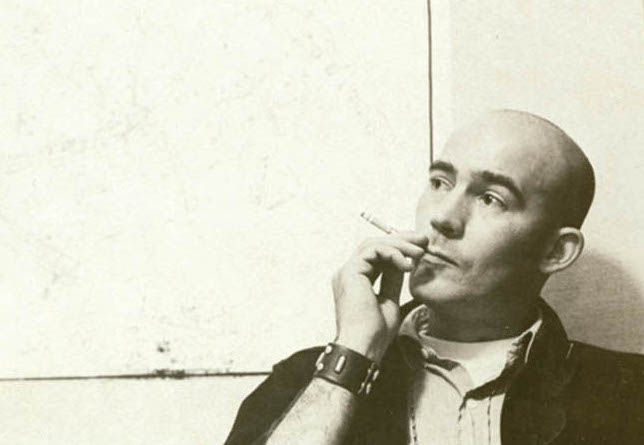
Recently, a friend said that she mentioned the author Hunter S. Thompson to her journalism class, and the students couldn’t come up with a single reference beyond a vague callback to the film version of “Fear and Loathing in Las Vegas.”
Indeed, the drug-addled, outlaw persona has overshadowed much of Thompson’s literary work — work that was so impressive.
Author David S. Wills pointed out, “I can’t think of a single other writer so original that he earned his own literary genre.”
A reporter, writer and cultural icon, Thompson is credited as the father of “gonzo journalism.” To oversimplify it, this narrative genre Jumanjis the person into their story as both narrator and character, often blurring the lines between what’s real and subjective. New York Times literary critic William Crawford Woods declared this writing style a product of a time when people’s public and private lives were crashing together, and a style that answered the question, “How to tell the story of a time when all fiction was science fiction, all facts lies?”
In today’s new age of media, there’s a lot that’s been built on the foundation of Thompson’s gonzo method. Much of it can be seen not in journalism but in the content creators we follow online, influential figures reporting on their favorite subjects and engaging a growing fanbase. Looking at elements of Thompson’s approach, we can see additional parallels with modern content creators.
Content and Creator
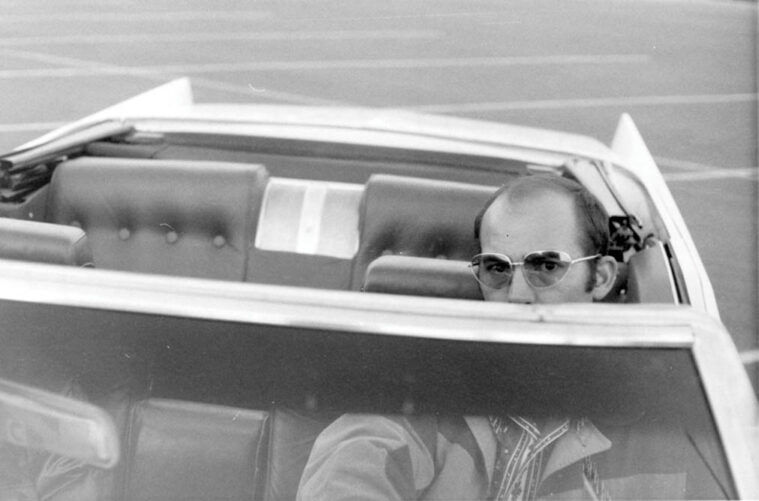
Immersing yourself in your subject was a particular focus in Thompson’s writings. To get as far into the situation as you can and push until you and the story are both barreling toward an unavoidable conclusion. Thompson even roped his friends, like illustrator Ralph Steadman, into the fray on more than one occasion. He knew that people not only want to hear a story, but want to know what it would be like to move within the story themselves, even if sometimes it was with all the social grace of MrBeast.
Shock Value
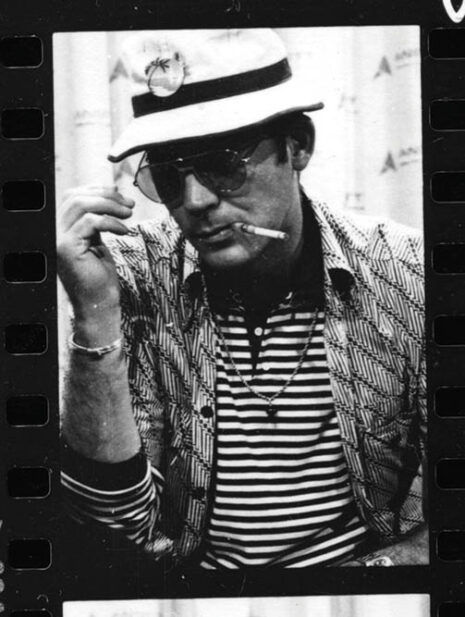
If you’ve ever seen or read “Fear and Loathing in Las Vegas,” you already have an idea of this. Thompson believed in breaking down conventions to evoke a response, to silence the spell the world has over our attention span and shock the system into a momentary reboot, focusing instead on the incredible sight being described to us. Whether it’s creating a YouTube thumbnail, a call to action for a TikTok reel or a title like “A Savage Journey to the Heart of the American Dream,” each relies on a bit of shock value to get the conversation started.
Blending Fact and Perspective
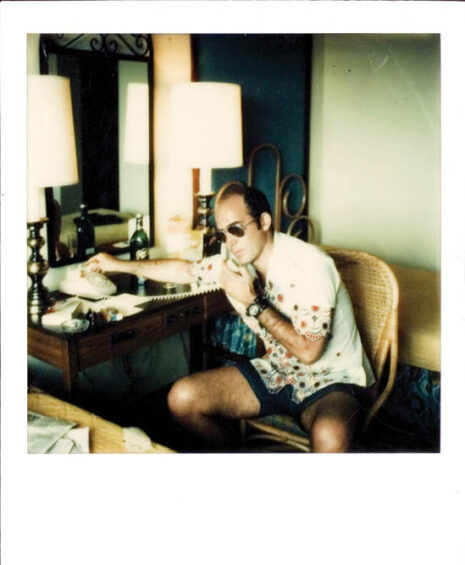
Many of Thompson’s tales seemed too incredible to be true, a result intended by both author and editor. Thompson regularly stated that he thought objectivity was a myth and that fiction was more compelling and true than any kind of reporting. He was known for constantly carrying a recorder to document his experiences. But he felt that it’s not always what happened but how you experienced it that makes for the best final product. It’s said that he once told an editor, “Fiction is a bridge to truth that journalism can’t reach.”
The Gonzo Influence
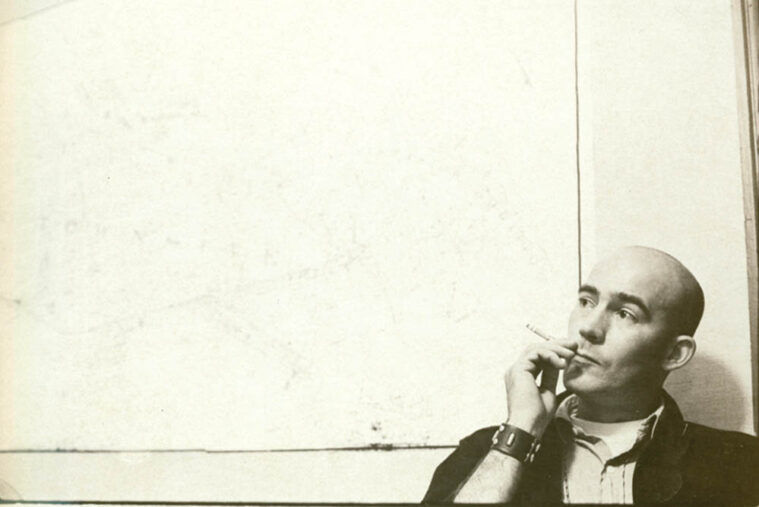
What future journalists and creators can take away from looking at Thompson’s work is how to let go and allow events to drift you from main to supporting roles without regard for sponsorship or demonetization. Thompson cared about making money from his craft, but he seemed haunted by his public persona rather than focused on how to merchandise it on a personal level. That’s part of what drew people to him.
Thompson’s unique style and voice attracted eyes, which brought in dollars for the magazines that published his articles, something he played to his advantage to create some incredible articles. Rolling Stone flew Thompson to the Democratic Republic of the Congo to cover the historic fight between Muhammad Ali and George Foreman. Cycle World sent him a $10,000 Ducati motorcycle to test drive. He’s been portrayed on screen by actors like Bill Murray and Johnny Depp.
Thompson would have most likely called social media a “cruel and shallow money trench,” as he did with the music industry. But I also think he would have recognized how important viewership has become in our society and found a way to bring his typewritten words to the small screen — much in the same way he allowed Depp to utter that iconic phrase:
“We were somewhere around Barstow on the edge of the desert when the drugs began to take hold.”