At this pivotal moment in history, the heartbeat of the Americas — from the Arctic’s edge to the southern shores of Tierra del Fuego — is pulsing with reclamation, resilience and resurgence. Across lands divided by imposed borders, Indigenous peoples are rising in sovereignty, ceremony and spiritual presence. Cultural activations like “Be a Good Ancestor,” “Movement is Medicine” and “Water is Life” are not trends; they are ancient Seventh Generation teachings resurfacing, calling humanity to remember its sacred responsibility to the Earth and to those yet unborn.
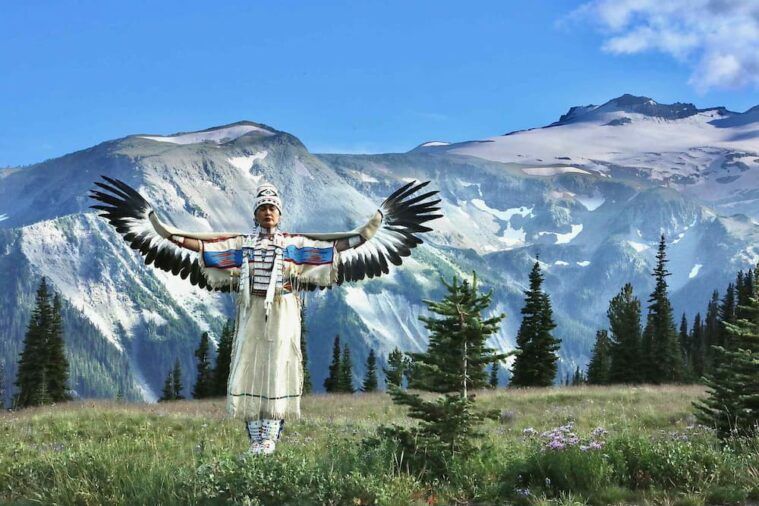
Rooted in the teachings of the Iroquois Confederacy — recognized as the oldest democracy in the world — the Seventh Generation Principle reminds us that every choice we make today creates a ripple effect, impacting the faces yet to come while also healing the wounds created by those who walked before us. It is a teaching of reciprocity, asking humanity to move beyond extraction, greed and unconscious consumption, and instead return to balance with the land, the waters and one another. In many ways, this movement is not simply political or cultural; it is a spiritual restoration. It’s a collective healing of ancestral karma through conscious action, prayerful living and remembering that we are all descendants and future ancestors at once.
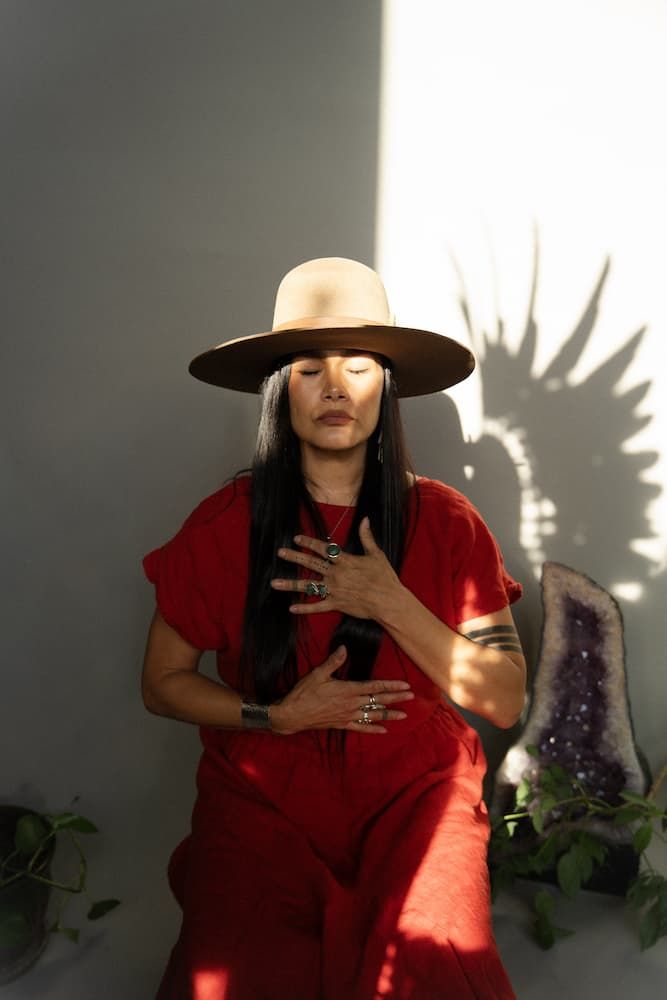
These movements do not begin in institutions. They rise from the Earth, beating in the hearts of dancers, teachers, healers, artists and storytellers who carry culture forward through lived example. Cultural change begins when individuals proudly embody who they are and invite others into remembrance. One such bridge-builder is Acosia Red Elk, whose life story and creative work honor what it means to live through the Seventh Generation teachings and become a good ancestor.
My first encounter with Red Elk’s work was at the first annual Oregon Reggae Fest. Stepping into her Powwow Yoga class, the space felt instantly ceremonial; drums echoed through breath, jingle dress footwork merged seamlessly with yoga flow. Every movement carried intention, a living conversation between ancestors and the present moment. This wasn’t performance; it was “prayerformance,” a living embodiment of community medicine. It reminds us that when Indigenous ways meet modern practices with respect, healing becomes collective.
Red Elk, born Young Swan Rising from the water, is an enrolled member of the Umatilla, Cayuse and Walla Walla Tribes of Oregon and a 10-time world champion jingle dress dancer. The jingle dress dance itself emerged as a sacred gift during the Spanish flu pandemic, which began in 1918. It was born from a father’s dream after praying for his sick daughter to heal. To many Indigenous nations, the dance remains a prayer in motion. The ringing of metal cones calling balance, the footwork embodying strength, the dancer summoning ancestral healing with every motion.
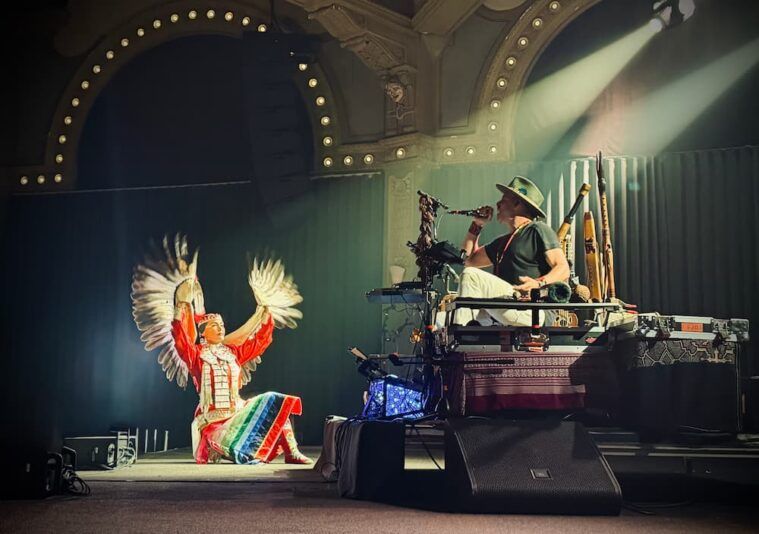
As a child, Red Elk survived a devastating fire that left severe burns across half of her body. Doctors once doubted she would ever walk again. Yet through the medicine of jingle dancing, she reclaimed her body, spirit and future. That redemption story now moves through everything she teaches. Her legacy is a living embodiment of resilience, showing us that healing is possible, scars can be sacred and survival carries responsibility.
Today, Red Elk’s impact spans dance, wellness, fashion, film and cultural advocacy. She is the creator of Powwow Yoga, an Indigenous-centered wellness practice blending tribal dance, yoga, breathwork and cultural education to address intergenerational trauma and reconnect people to ancestral movement. Her leadership earned her the prestigious Doris Duke Artist Award, recognizing her as a national force in Indigenous arts and cultural innovation.
She has also carried Indigenous visibility into spaces that historically excluded Native presence. At New York Fashion Week, Red Elk opened the runway with a full tribal dance presentation — the first of its kind — bringing Indigenous movement, regalia and spirit into one of the world’s most influential cultural arenas.
Her storytelling work continues to expand through film and public media. Most recently, Red Elk appeared in “Guardian of the Land,” a powerful collaboration between OPB and filmmaker LaRonn Katchia that explores Indigenous perspectives surrounding Bigfoot, land stewardship and cultural memory. The production received two Emmy nominations, further amplifying Native voices and reminding audiences that Indigenous storytelling has always held a deep relationship with the unseen and the living Earth.
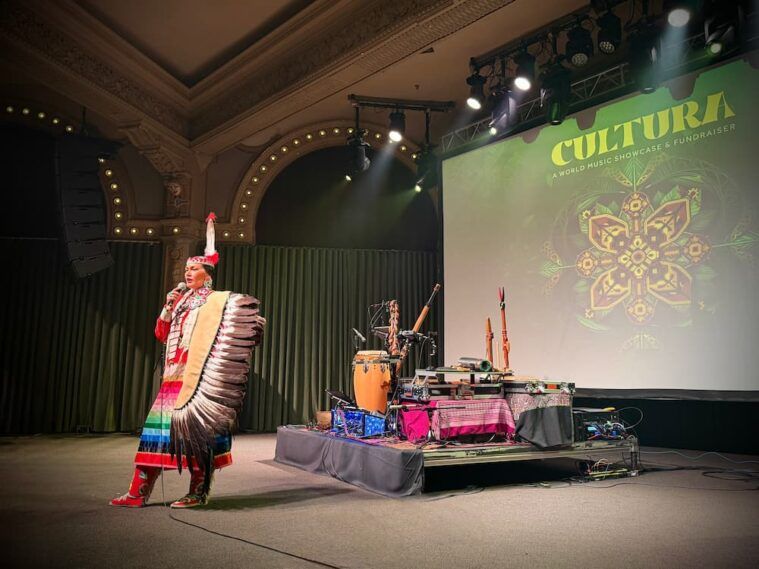
Across all her endeavors — teaching youth, leading wellness gatherings, performing internationally or speaking through film — we are reminded that ancestral wisdom is still alive, still dancing, still breathing. In a world drifting deeper into consumerism and cultural erosion, the Seventh Generation teachings call us to live not only for ourselves, but for the faces yet to come.
Transform each day into a sacred opportunity to be a good ancestor, OGs. For Red Elk, this means healing what you inherit, protecting what is sacred and leaving the next seven generations a world where Indigenous culture is not merely surviving, but thriving.
Sites & Socials:
7genwellnesscenter.com/acosia | @acosia_