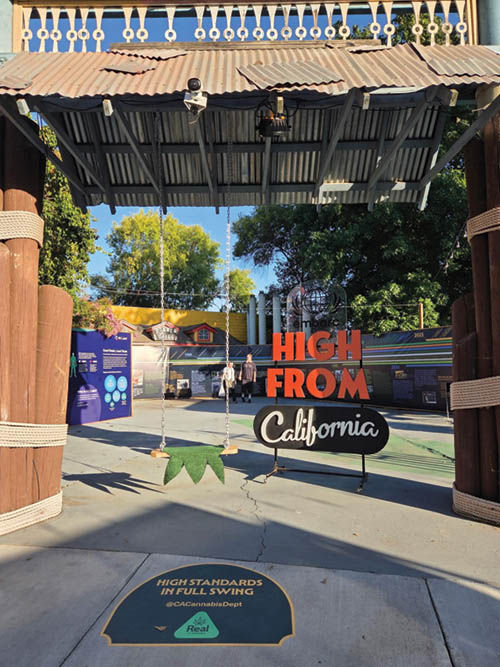
The CA Cannabis Experience at the California State Fair is an event that made me stop and take stock of how much progress has been made in the Cannabis legalization movement, despite the many hurdles it has faced and has yet to face.
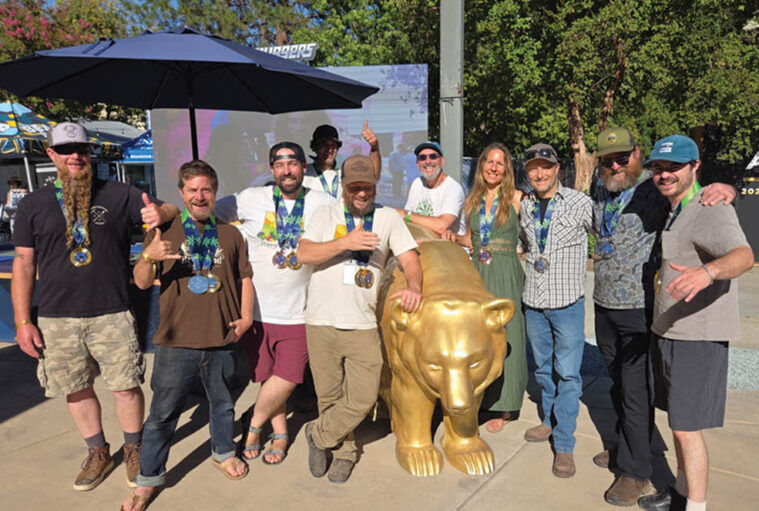
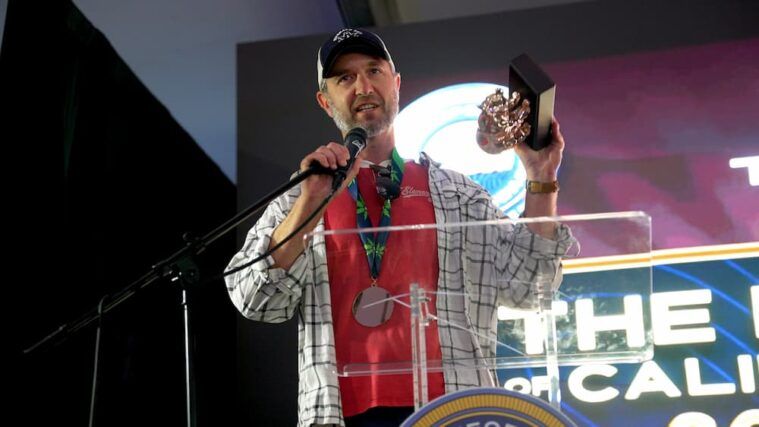
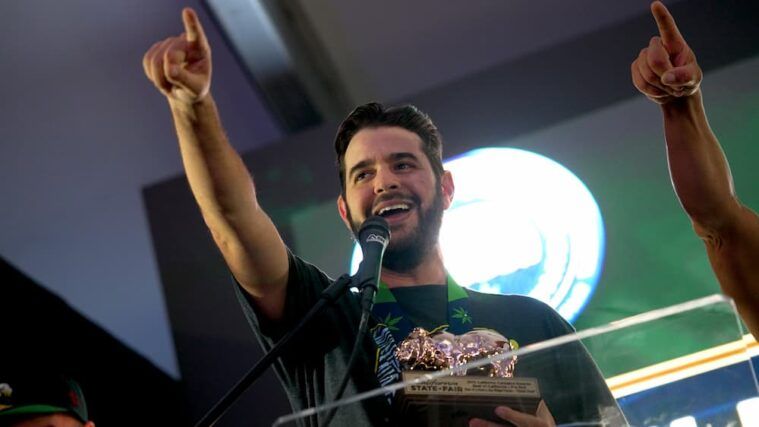
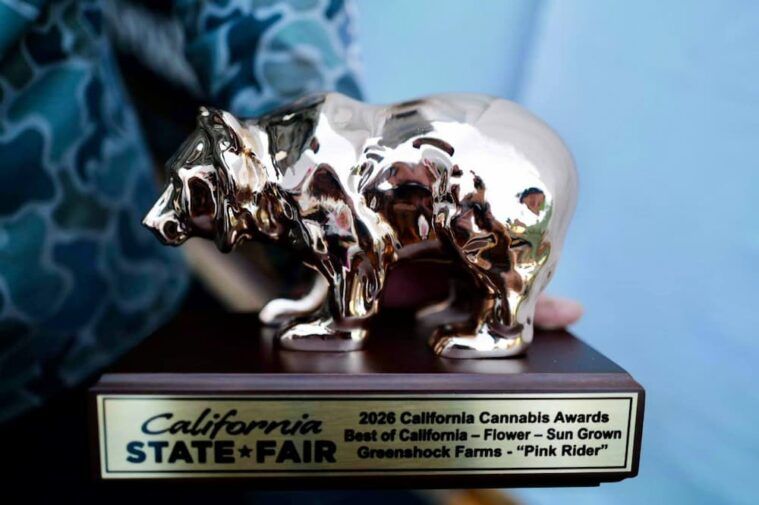
This is the fifth year Cannabis has had a place at the California State Fair, the third year of licensed onsite sales and consumption and the first year of a Home Grow Competition, which is the very first state-sanctioned, personal-use Cannabis contest in the country. More than 600 entries came in this year, with 150-plus medal winners announced July 1 and nine Best in California Golden Bear awards handed out July 18.
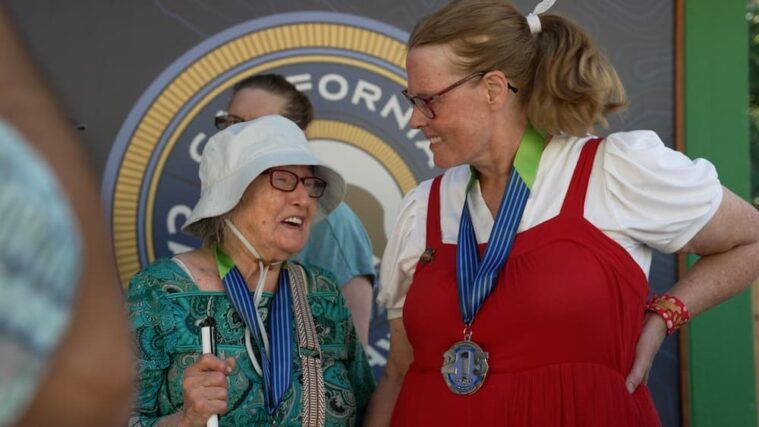
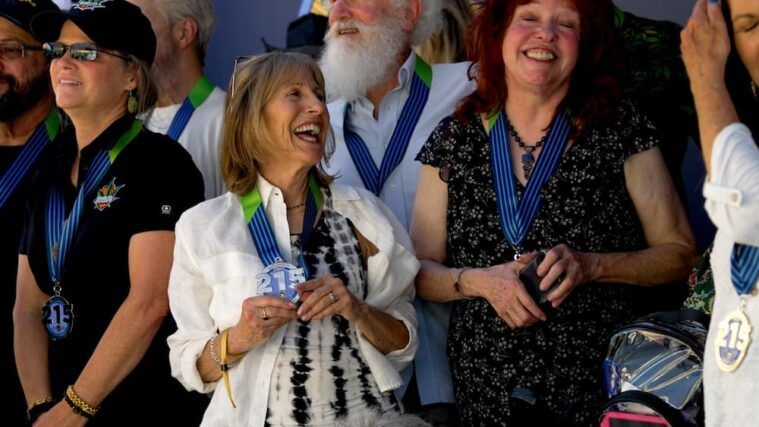
Because this is the 30th anniversary of California’s landmark Proposition 215, pioneers of Prop 215 were honored at this year’s awards, collectively receiving the Pebbles Trippet Lifetime Achievement Award. They gathered on July 18 for a rare reunion, alongside a screening of the documentary “Join the Club.”
A lot of people still don’t know that in the United States, Cannabis legalization was ushered in by some of the most marginalized groups in society: people with disabilities, queer people, nonwhite people, immigrants and people living with HIV, AIDS and other illnesses (including children). In short, Prop 215 came from sick people who were dying and decided to break the law in public, so nobody else would have to, in the name of getting healthcare.
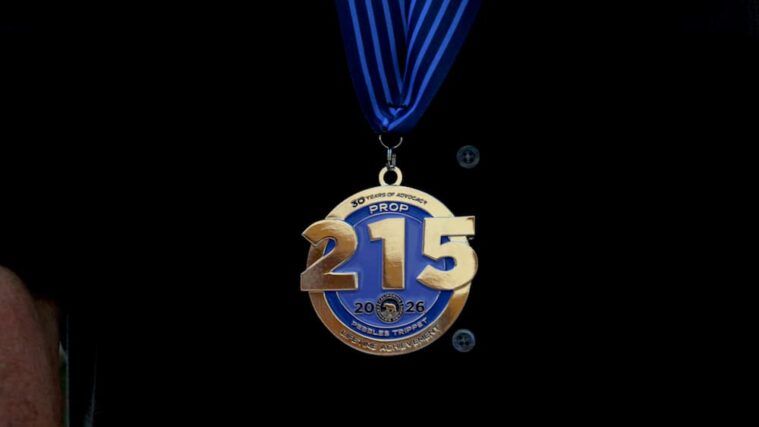
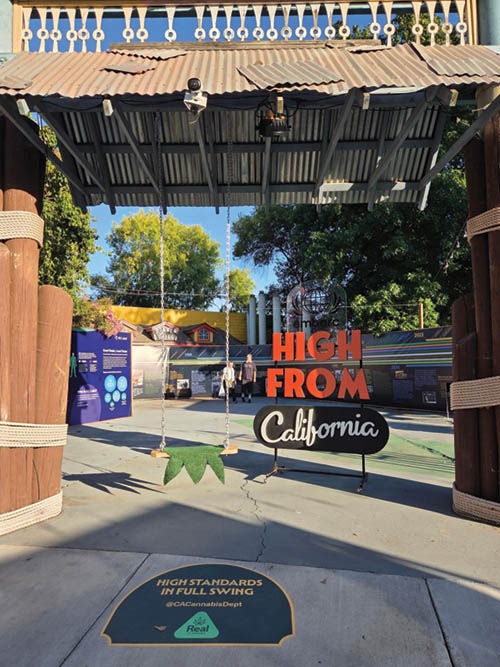
Thirty years later, their work is why a licensed dispensary can sell flower on a fairground between the corn dogs and the Ferris wheel, and we can shop for Cannabis at a store. It’s the most ordinary setting imaginable, which is the bedrock point of legalization: Making this culture that we all call home normal — because it is nowadays — thanks to the risk and dedication of many people society denigrates as dangerously abnormal.
“It’s an incredibly proud moment for us and our farmers to be here celebrating the normalization of Cannabis,” said Scott Vasterling, founder of Humboldt Family Farms, which vended at the on-site Embarc dispensary.
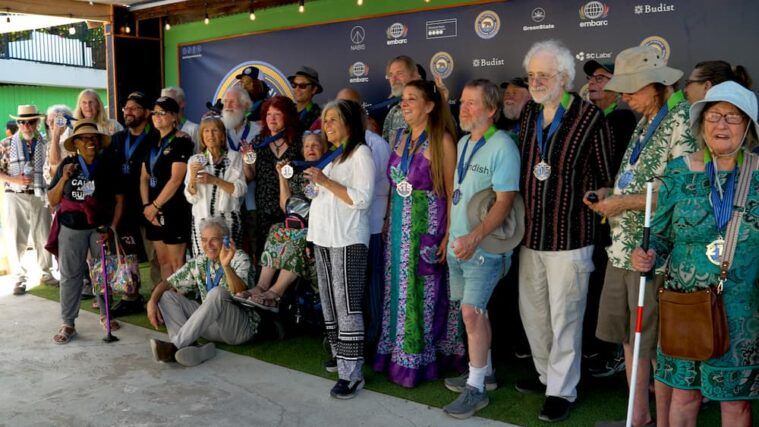
Caleb Chen, a research associate at Cal Poly Humboldt’s Cannabis Studies Lab who judges for the Cannabis rating app Budist under the name the Highest Critic, made the case for why this particular fairground is unique.
“The California State Fair is super special compared to other state fairs all over the world because it’s the only one that’s enshrined in the state’s constitution,” Chen said. “That means this whole ground is actually protected by the state constitution and is meant to host this event.”
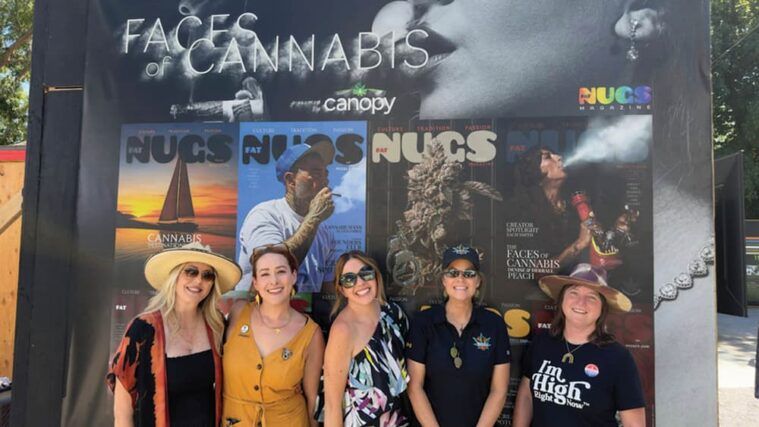
He also pointed out that back in the 1850s, California was the first state fair to hold a wine competition, which makes the California Cannabis Awards a pretty logical descendant.
Jocelyn Sheltraw, CEO and co-founder of Budist, added that she and Budist are “proud and honored” to be part of the fair for the fifth year. “Having Cannabis front and center in that experience…speaks volumes about the progress we’ve made as an industry and the continued normalization of Cannabis in California.
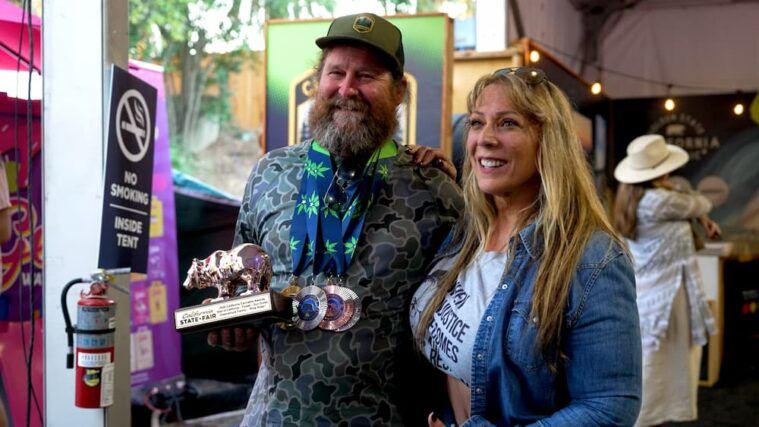
Budist’s panel of 30 industry critics evaluated entries on a standardized 100-point system, and flower submissions were tested through SC Labs. That kind of rigor would have been unthinkable in 1996, when product moved through buyers clubs, and the main quality assurance was somebody’s word.
Most of the people who made Prop 215 and eventual legalization possible never got a license or a payout from it, and a lot of them are no longer with us. So, it was nice to see them honored at this year’s fair, surrounded by people energized and poised to hopefully carry their legacies forward, in addition to many members of the general public who were likely unaware of the movement’s history.
Scenes From the California State Fair