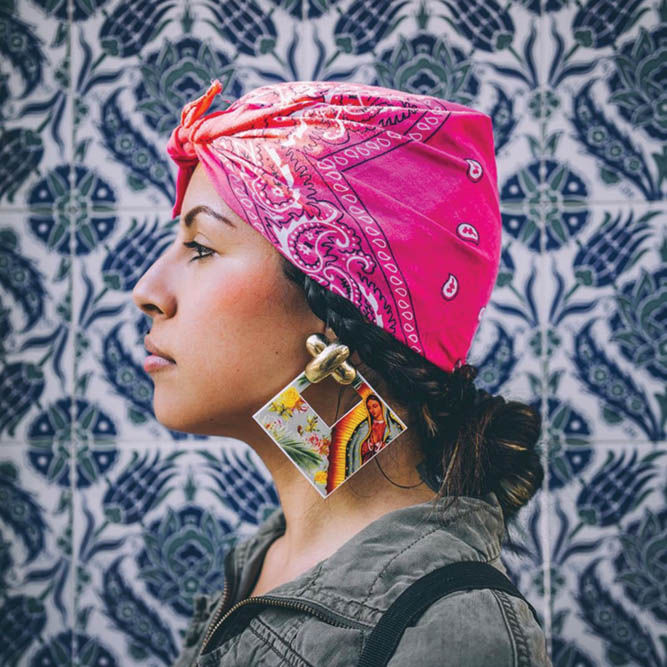
At this moment in time, the Americas are remembering themselves, from the high deserts of the Southwest to the rain-soaked jungles of Central America. Indigenous cultures are rising, not as relics of the past, but as living, breathing forces of reclamation. North and South America are one landmass with many names, one body with many tongues, and the movements rippling across it speak a shared truth: No one is illegal on stolen land. The border crossed us. These aren’t catchphrases; they are ancestral memories resurfacing through cultural movement.
What we are witnessing isn’t a trend; it’s a correction. For generations, Indigenous and brown identities were hidden, erased or forced into silence as a means of survival. Now they are stepping forward whole and unapologetic, carried by artists, movement organizers and culture-keepers who refuse to shrink their lineage. These movements are born in family kitchens, community centers, underground art spaces and backyard stages led by people who proudly embody their roots and invite others to remember theirs.
One of the clearest voices moving through this cultural awakening is Reverie, a self-made artist whose work has helped shape West Coast Chicano culture while ushering in a bold reclamation for Indigenous Latinos from Los Angeles to the world. Reverie has performed in 28 countries and 37 U.S. states, carrying a message that dissolves borders and speaks straight to the spirit.
Raised in a humble, single-mother household in northeast Los Angeles, Reverie didn’t wait for permission, labels or a seat at the table — she built her own. From handcrafting her wardrobe to writing her lyrics, directing her visuals and shaping her sound, she moves with full autonomy. In a world that constantly tries to package culture, Reverie insists on sovereignty. Culture, in her world, isn’t something you borrow; it’s something you live.
Her delivery is raw and commanding, and her lyrics hit like medicine: stories of struggle, rage, pride, survival and love. She speaks openly about her lineage — Mexican, Salvadorian, Native — not as labels, but as lived embodiment. Her declaration “brown is beautiful” has become more than a lyric; it’s a mantra echoed by fans who finally see themselves reflected without apology.
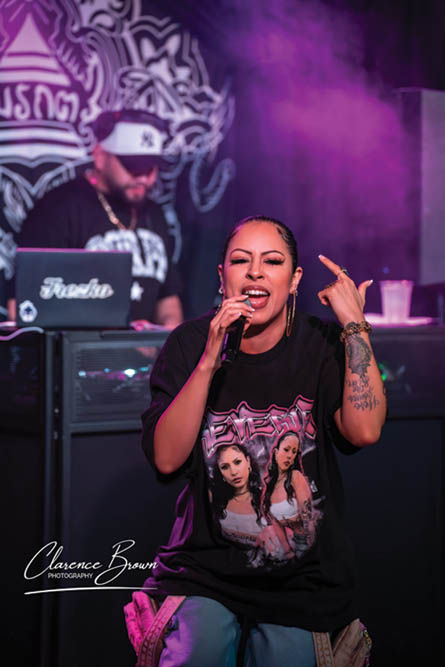
When Reverie took the stage in Portland, Oregon, the room snapped to attention. The moment she grabbed the mic, her voice cut through sharp, fully charged. Reverie didn’t just perform; she commanded. Each bar landed with intention, each movement carried presence. This is what hip-hop was made for: truth amplified through rhythm, culture alive and breathing in real time. Nothing about it was polished or distant. It was intimate, gritty and fully present.
Reverie reps Los Angeles like an altar. Her city isn’t a backdrop; it’s a living family member shaped by migration, resistance and creativity. With that devotion comes courage. She has spoken boldly and taken a public stance against immigration violence. “Fuck Trump, and Fuck ICE,” she chanted into the crowd, a statement fueled by the fear, trauma and family separations inflicted by Trump-era politics on immigrant communities nationwide. In an industry that rewards conformity and palatability, Reverie chooses truth, even when it’s risky.
After her Portland performance, Reverie sat down with me to reflect on culture, wellness and the role plant medicine has played in her life and art.
Cannabis, Conscious Use and Cultural Responsibility
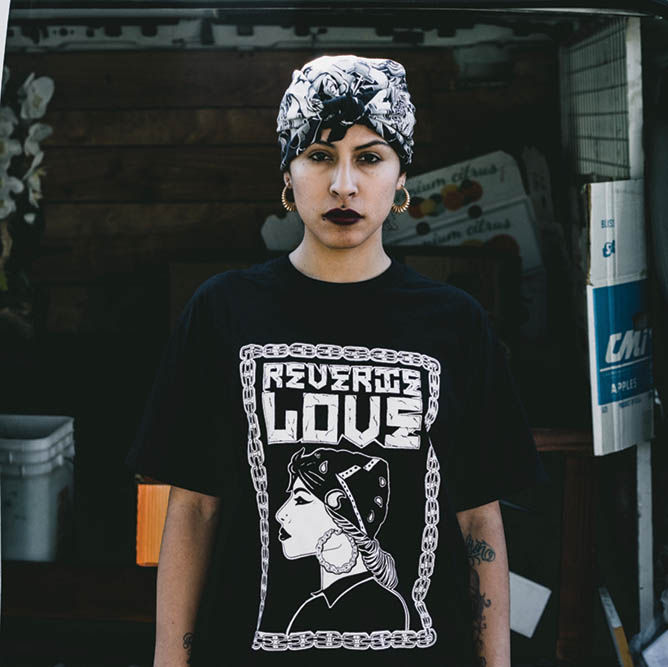
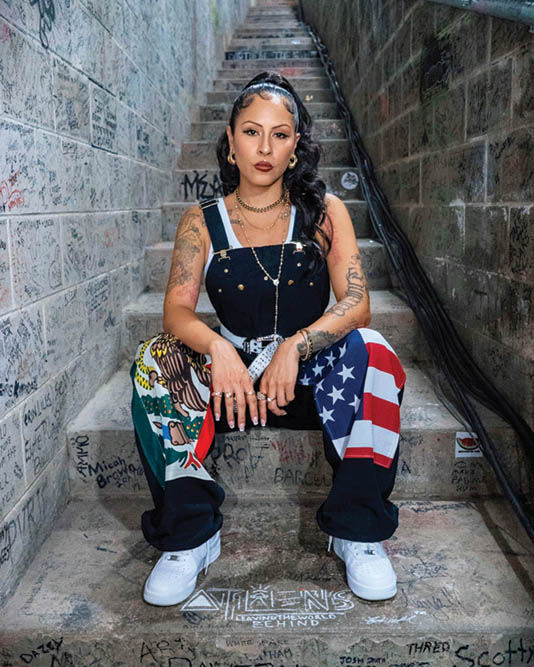
When asked about Cannabis and its role in her life, Reverie doesn’t glamorize or sugarcoat. She shares that she was introduced to it too young and is clear about the dangers of misuse, especially for youth. As an adult, her relationship has shifted into something intentional and medicinal.
“Now that I’m grown, I appreciate marijuana in a healthier way,” she explained. “It helps me manage anxiety and nausea. It doesn’t make me lazy. It helps me slow down, breathe, focus and assess things clearly.”
She speaks openly about boundaries. “When I start using it to numb pain instead of for celebration or ceremony, that’s how I know I need a break,” she said. Her words echo an ancestral understanding long held in Indigenous cultures: plant medicines are allies, not escapes.
The conversation turns toward the growing Cali sober movement: stepping away from alcohol while maintaining intentional relationships with plant medicine. Reverie shares that she’s five months into that journey.
“Alcohol is really damaging for a lot of people,” she said. “I think it’s powerful that we’re finally talking openly about mental health.”
She celebrates the generational shift toward therapy and wellness. “Now it’s like everyone should be in therapy, and I’m a fan of that.” There’s no shame in her tone, only clarity. “Healing,” she emphasized, ”is not about perfection; it’s about honesty.”
Diversity and Indigenous Memory
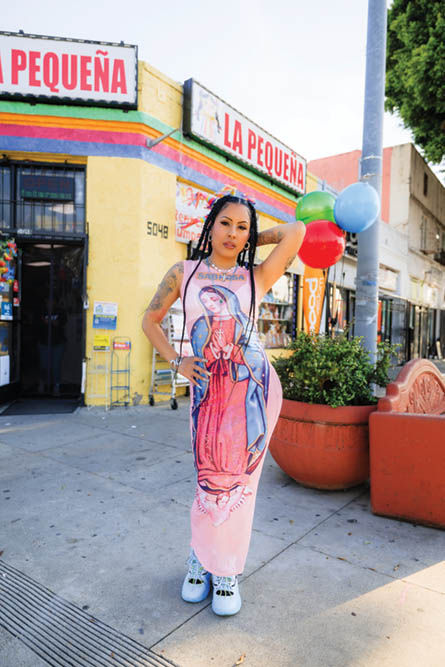
As the dialogue deepens, the focus turns to ancestry and diversity.
Reverie reflects on how many people with Indigenous blood are waking up. “It’s a beautiful time right now,” she said. “We’re realizing how powerful our roots are and how much we were taught to forget.”
She speaks boldly about rhetoric that treats diversity as a threat. “This country is diverse. Indigenous people were here first. To say diversity is dangerous goes against the backbone of what being American is.”
Reverie closes the conversation grounded in resolve. “We’re seeing the truth now,” she reflected. “We know where we stand — and we’re more united than ever.”
At her core, Reverie is a beacon for a generational remembering. Her voice moves like a drumbeat — steady, defiant, alive — reminding us OGs that culture survives because people choose to carry it forward courageously and unapologetically.