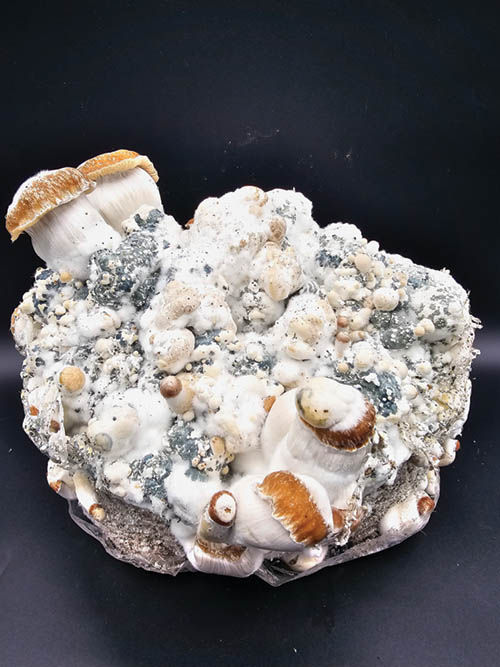
Psychedelic mushrooms have been known to alter perceptions, and mutations have been known to alter our comprehension of psychedelic mushrooms. The latter has resulted in wild-looking shrooms that have also proven extra potent.
There are aspects of Psilocybe cubensis and other species that the average layperson may know about. The stems often turn blue or black when bruised, for example. But certain morphologies are more unusual, like all-white albino mushroom strains or blob mutations.
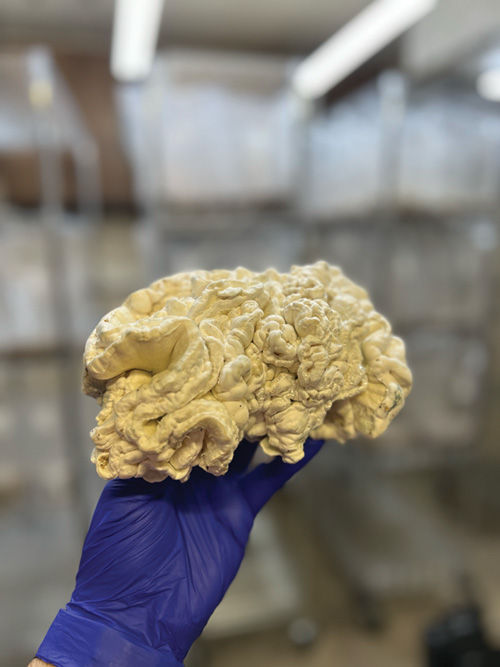
Blob mutations may display fins, coral, brain and finger formations. They do not have stems, gills or drop spores. Instead, they have been cloned after appearing in a wild-type sporulating culture. As of now, blobs are selected for, not bred, but liquid cultures have been isolated from the various structures, like the fins and coral. These should, in theory, produce a blob morphology, but they may not yield the same outcome in different environments.
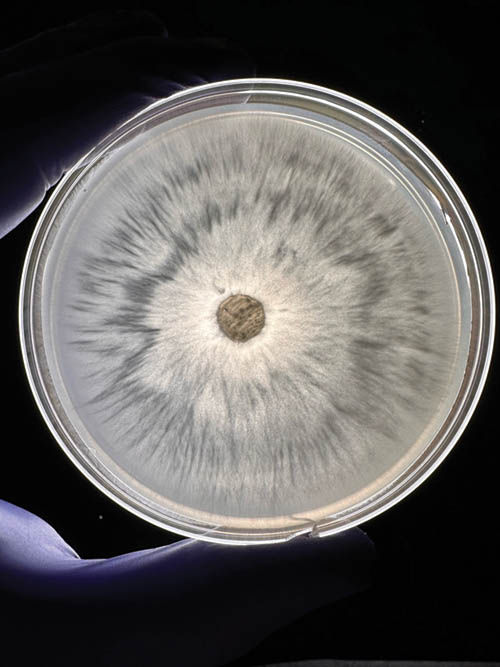
Christopher Pauli, CEO of Tryptomics, explained more about this interesting fungus to the Leaf.
“It’s not truly understood, like, are all blobs this same mutation causing the same phenotype, or is this multiple different mutations that could happen that all lead to this weird morphology to occur?” Pauli said.
The molecular biologist has theories about the origins of blob formations, but has yet to test them. This morphology has been observed in Psilocybe cubensis, Psilocybe natalensis and Psilocybe aztecorum species, but some isolated mutations have reverted back to having gills. This indicates it may be an environmental or viral response, or even polyploidy, rather than a DNA mutation. Pauli has theories, but there is not much research on how these mushrooms form.
Why should they get into it? Because most blob mutations have tested with higher potency compared to the fruiting body counterparts they mutated from. The same thing that makes it hard to replicate blobby shrooms may be what makes them hit so hard. When mushrooms drop spores, they lose potency. But nongilled blobs may not turn off the alkaloid production genes after sporulation. This allows them to become increasingly more potent. If it is a virus causing this mutation, it is a good one. Some blobs are even showing higher dry-weight yields per flush.
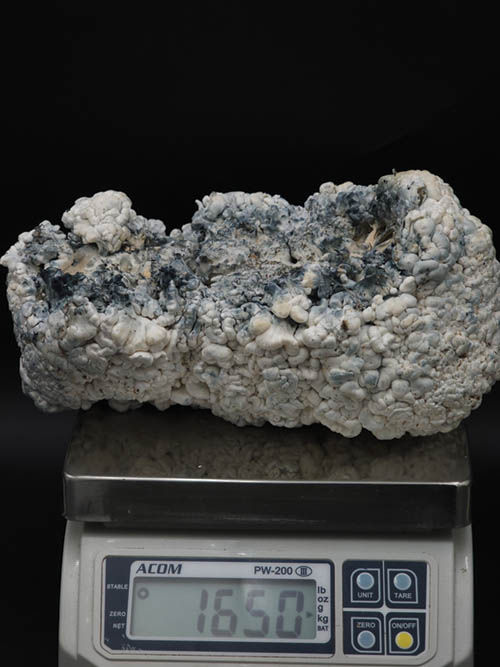
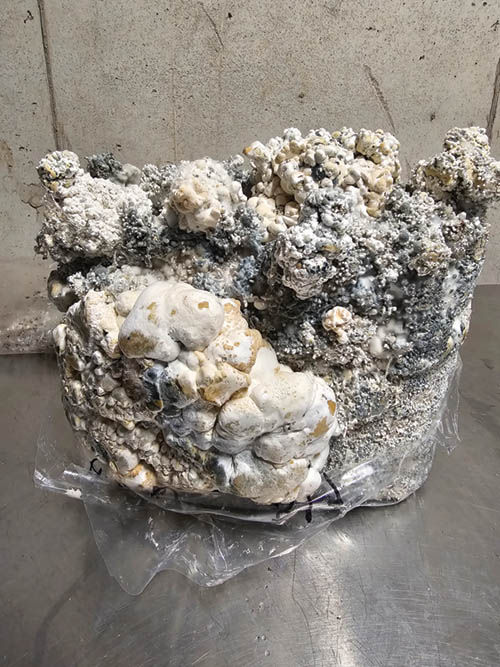
The brains, coral and fins look otherworldly, and some new formations have joined the family in the last few years. Toque F8, isolated from the Psilocybe cubensis strain Tidal Wave, has become highly coveted for its potent nerds morphology. It resembles the candy, and a unique little “hat” appears on the fruiting bodies. Guttation, a process commonly observed in bleeding tooth fungi Hydnellum peckii, has also popped up recently. Turns out, the resulting liquid could prove useful.
“We find those metabolites have antibiotics, anticancer compounds, all kinds of, you know, cool properties with what compounds this mushroom produces and excretes. And so we have seen some cubensis do more of this blob formation, but with like divots in it, and it produces a lot of mutation. And so that’s kind of one of the newer mutants that we’ve been able to see,” Pauli shared.
Sometimes a freak makes the cut, and when a hobbyist takes note, psychedelic enthusiasts are blessed with new, exciting anomalies that may also have impressive effects. And, if the resources flow in the right direction, biologists may find even more beneficial properties. For now, it is proven that these things look pretty cool.
Mushroom Terminology
Morphologies: The structures and forms that certain mushrooms take.
Sporulation: The production of spores from vegetative cells by fungi, bacteria, protozoa and plants.
Polyploidy: This is when a whole genome duplicates during evolution (commonly desired in domesticated crops).
Guttation: The process by which plants and fungi push liquid metabolite drops from their tissue.