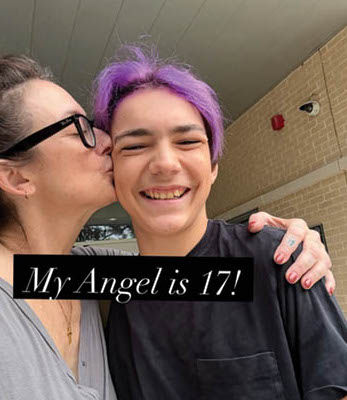
In late September 2026, Robby Benavides is 17 years old. That sentence may sound ordinary, but for him and his family, ordinary life was never guaranteed.
Before Benavides turned 10, he sometimes experienced dozens of tonic-clonic seizures in a single day. His epilepsy was dangerous, debilitating and resistant to conventional treatment. Cannabis, particularly CBD oil used alongside certain pharmaceuticals, which they accessed through an underground caregiving network at the time, helped bring those seizures under control. It gave Benavides access to something most children receive without a political fight: the chance to grow up.
I first learned about Benavides through his father, Rob, a legendary San Diego tattoo artist turned medical Cannabis activist. He introduced me to his then-wife, Alison, who was their son’s main caregiver. The Benavides family was later photographed by Colorado photojournalist Nichole Montanez for “Face of Cannabis,” her portrait series documenting children who relied on cannabinoid medicine and the families forced into activism on their behalf.
When the exhibit came to San Diego’s Barrio Logan in 2019, it included 284 portraits. The children looked directly into the camera, refusing the abstraction that so often defines debates about pediatric Cannabis. They were not talking points. They were patients, siblings, students and kids whose parents had watched medications fail while seizures continued.
Montanez began the project as a skeptic. Her perspective changed after meeting Charlotte Figi, the young Colorado patient whose dramatic response to CBD helped make pediatric Cannabis a national issue. Charlotte became the most recognizable child in the movement, but she was never the only one. Families across the country moved, lobbied lawmakers, risked arrest and submitted themselves to public scrutiny because waiting quietly was not keeping their children alive.
The activism surrounding Charlotte unfolded alongside years of scientific research into cannabidiol. In 2018, the Food and Drug Administration approved Epidiolex, a purified form of CBD, for certain severe seizure disorders. That milestone mattered, but it did not erase the divide between a federally approved pharmaceutical and the Cannabis preparations many families were already using — or the stigma and access problems that followed them.
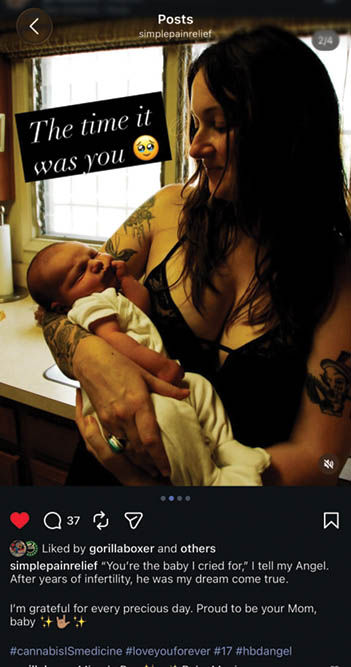
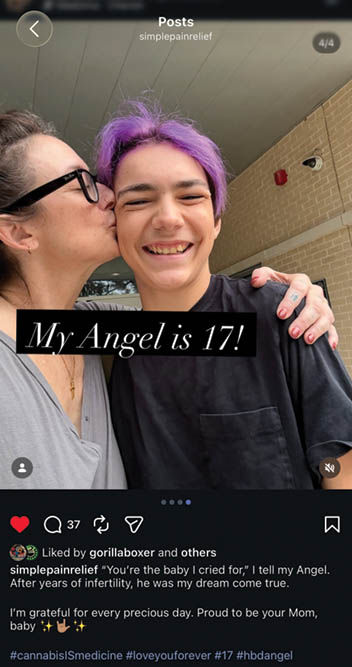
Now, Benavides is 17, and for the last 14 years, his mom confirmed to me, he has been seizure-free, thanks to medical Cannabis. The portrait of the sick child is becoming the story of a young man approaching adulthood. That transition raises another set of questions: What happens when pediatric Cannabis patients age out of children’s hospitals, school accommodations and systems their parents spent years learning to navigate? Who manages their medicine, insurance, legal protections and care when childhood ends but the condition does not?
Cannabis culture loves novelty. The industry races toward new cannabinoids, products, markets and branding opportunities. Pediatric patients do not fit comfortably into that glossy picture. Their stories are complicated, medically specific and frequently heartbreaking. They also require us to talk about Cannabis as medicine without pretending it is a miracle cure or that every patient responds the same way.
But these families are foundational to legal Cannabis.
As Montanez once told me, “These kids kicked in the door and made sweeping changes.”
Adult-use markets walked through that door afterward.
To me, Benavides’ 17th year is worth marking because growing older is the outcome his family fought for. His story is also a reminder that legalization did not finish the work.
The children who changed Cannabis policy are becoming adults now. They deserve more than our gratitude. They deserve safe products, serious research, knowledgeable physicians and laws that recognize their right to continue the care that helped them get here.