Edibles have always carried a certain promise. They’re approachable, discreet and endlessly adaptable — chocolates, gummies, drinks, etc. For years, they’ve existed somewhere between medical and recreational, the wellness aisle and the candy shelf.
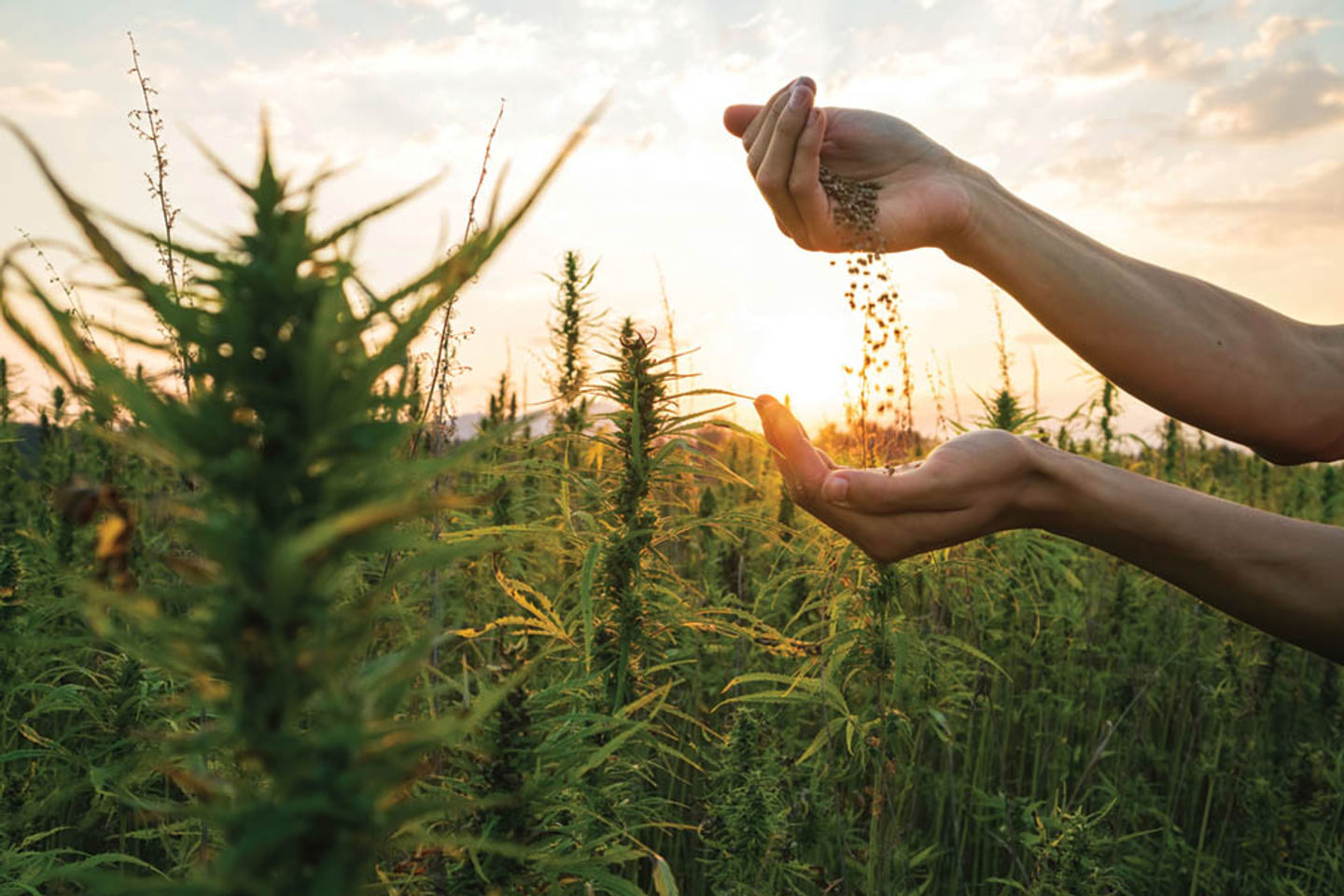
The modern boom began after the 2018 Farm Bill, which federally legalized hemp — defined as Cannabis sativa containing no more than 0.3% delta-9 THC by dry weight. That one policy shift opened the door to an entirely new category.
In the years since, hemp-derived cannabinoids like delta-8 THC, delta-10 and more have shown up in gummies, chews and sodas sold everywhere from boutique apothecaries to gas stations. These weren’t the edibles found in licensed dispensaries; they were over-the-counter products marketed as “hemp.” For a while, it looked as if the dream of nationwide access to manageable, low-dose THC had arrived — arguments within the culture notwithstanding.
Now, that future feels less certain. In November 2025, Congress advanced a spending bill that effectively rewrites parts of the Farm Bill, capping total THC at 0.4 milligrams per container and banning synthesized or non-naturally occurring cannabinoids in hemp products. Federal lawmakers and regulators are reexamining the loopholes that allowed intoxicating hemp edibles to flourish. Proposals circulating in Washington would redefine “total THC” to include THCA and other compounds that convert to delta-9 THC when heated, erasing the practical distinction between hemp and marijuana. If those changes hold, much of the hemp-derived edibles market could disappear.
For brands that dove into hemp, it’s an unsettling moment. Companies built around hemp-derived THC are weighing whether to pull products, reformulate or move under state Cannabis regulations. Many have operated in good faith within the ambiguity of the Farm Bill; now they’re realizing that window may be closing. Critics of the recent hemp wave say operators exploiting the “loophole” deserve the fallout, arguing that unregulated hemp companies undermine the broader legal Cannabis industry.
Consumers are caught in the middle. Millions have found edibles through hemp-derived products, drawn to their variable doses, predictable onset and broad availability. Yet the same qualities that made them accessible — minimal oversight and easy online sales — also made them inconsistent. As the rules tighten, some of those products will likely vanish, while others may reemerge under stricter testing and labeling standards.
That evolution could be healthy. For years, potency has defined value in Cannabis, with higher THC seen as better. Lately, wellness culture, microdosing and a more mindful consumer base have started to challenge that logic. People want consistency and clarity over brute strength. The emerging idea of “functional THC” aims to meet that expectation by designing edibles around specific effects and balanced cannabinoid ratios.
Still, the regulatory shift will reshape the category. The wide-open era that followed hemp legalization is ending. What comes next is likely a smaller but more stable market — fewer products, clearer standards and a renewed focus on quality over novelty.
Edibles have never stopped evolving, but this is the most uncertain chapter yet. The law that launched them is being rewritten, and the industry built on its ambiguity is learning to adapt. Whether that results in a more mature market or simply a new set of boundaries, one thing is certain: The future of edibles is still being defined.