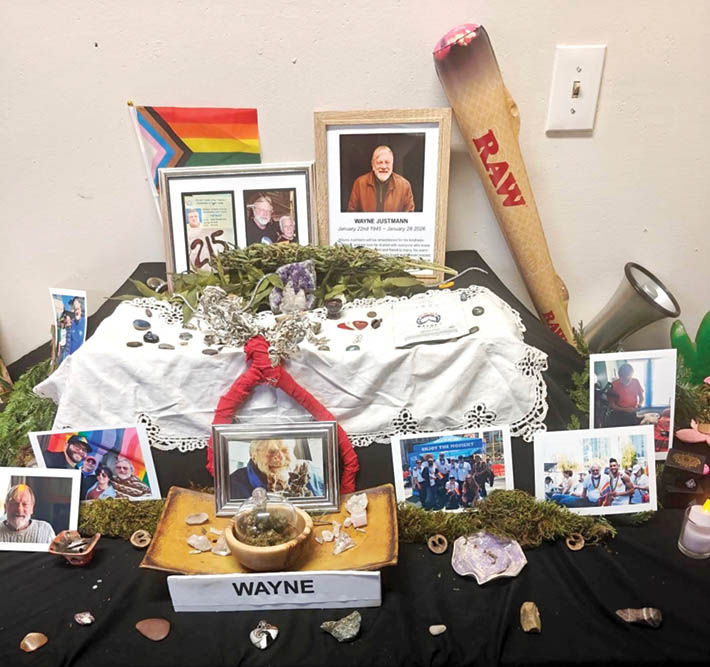
Wayne Justmann understood that medical Cannabis was survival.
In July 2000, standing on the steps of San Francisco’s Department of Public Health, Justmann held the city’s first anonymous medical marijuana identification card and told the San Francisco Chronicle that the program was “another brick in the path paving the way to legal use of medicinal marijuana.” At the time, Proposition 215 was only 4 years old and still politically volatile. Patients were being questioned, raided and, in some cases, arrested. The card — deliberately stripped of name and address — was designed to protect them.
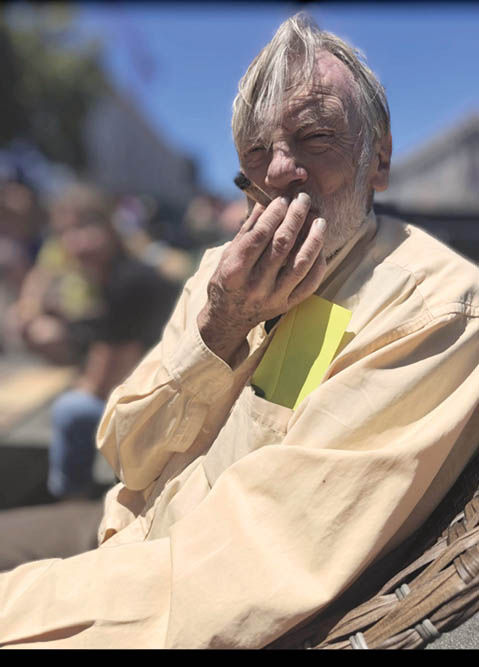
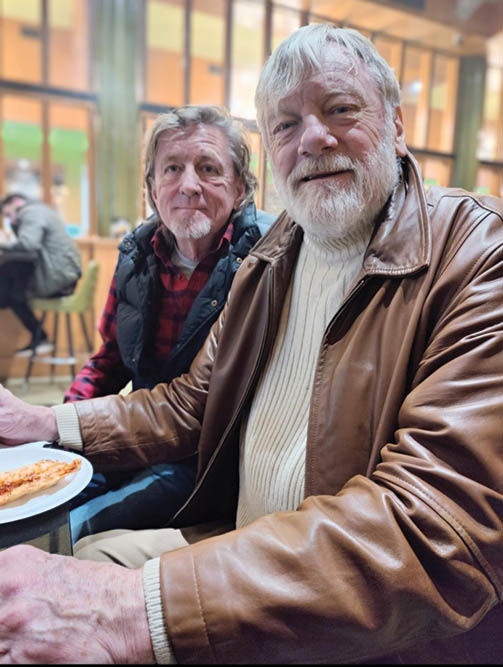
Justmann needed that protection himself. He was living with HIV and used Cannabis to manage the side effects of the medications required to control it. In 2000, he told the Chronicle he had already used his card to purchase an eighth of an ounce to relieve those side effects; symptom management during an era when antiretroviral therapies were harsh and often debilitating.
As director of the San Francisco Patients Resource Center on Divisadero Street, Justmann helped formalize access for patients who were otherwise navigating a legal gray zone. The center distributed Cannabis to qualified patients under California law, providing a structured, accountable alternative to the street market. In the early 2000s, that structure signaled that medical Cannabis was civilized, organized and institutionalized care, the same as any other type of medical care.
The anonymous ID card program he championed was equally intentional. According to city officials at the time, doctor letters were verified, photocopies were destroyed and no identifying records were retained by the Health Department. Activists insisted on confidentiality because federal enforcement remained a threat. Justmann understood that visibility and privacy had to coexist. Someone had to speak publicly so others could remain protected.
He was not operating in isolation, of course, especially as a close friend of Dennis Peron and the rest of their world-altering activist crew. San Francisco in the late 1990s and early 2000s was a crucible for medical Cannabis policy. Local supervisors, the district attorney and public health officials were actively shaping how Proposition 215 would function on the ground. Justmann was part of that ecosystem — a patient advocate who bridged lived experience and policy implementation.
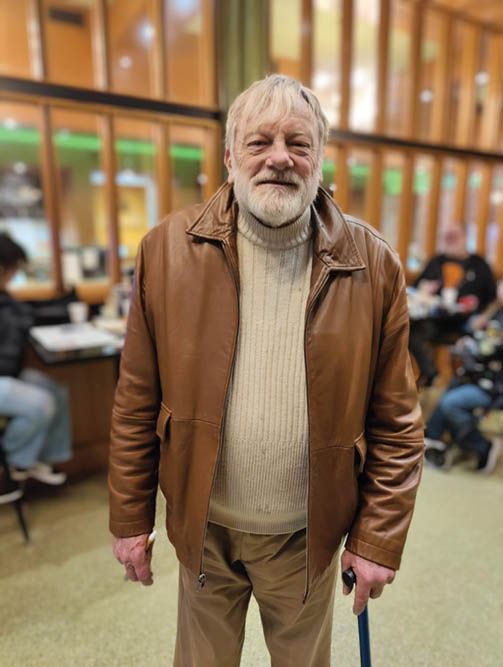
The infrastructure surrounding medical Cannabis today — state ID systems, regulated dispensaries, lab testing and formal patient protections — can make those early fights feel distant. They were messy, political, personal and built by people who needed the medicine and were willing to stand on record saying so. They’re still happening today at the federal, state and local levels.
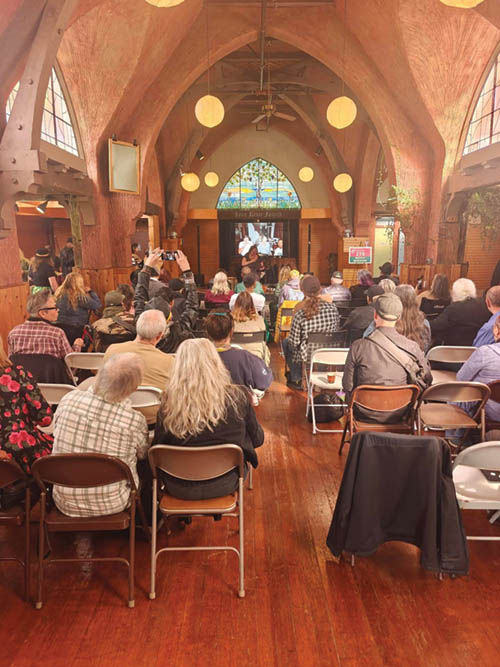
Wayne Justmann died Jan. 28; his memorial was held in Berkeley, California, on Feb. 22. I met him briefly in San Francisco a few years ago during 4/20 celebrations. He stopped me to introduce himself, and we shared an earnest conversation filled with mutual admiration and a lot of hugs. Similarly, in his advocacy, he did not frame his work in grand language. He spoke plainly about suffering and relief. In doing so, he helped normalize the idea that Cannabis could be a medical agent without apology.
For patients who can now access their medicine without fear of arrest or exposure, that legacy is tangible.
Wayne Justmann helped lay that brick; the path is still being paved.