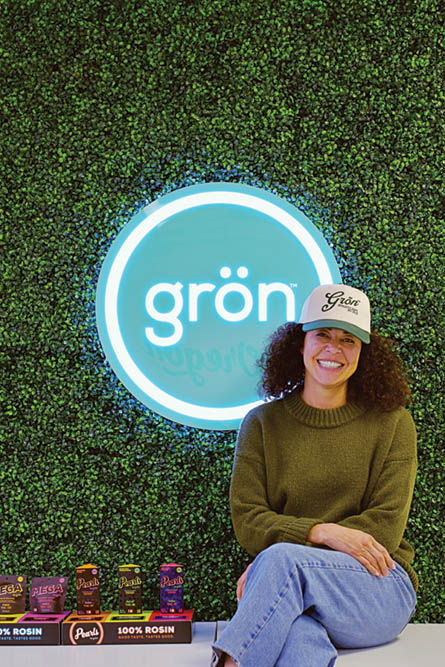
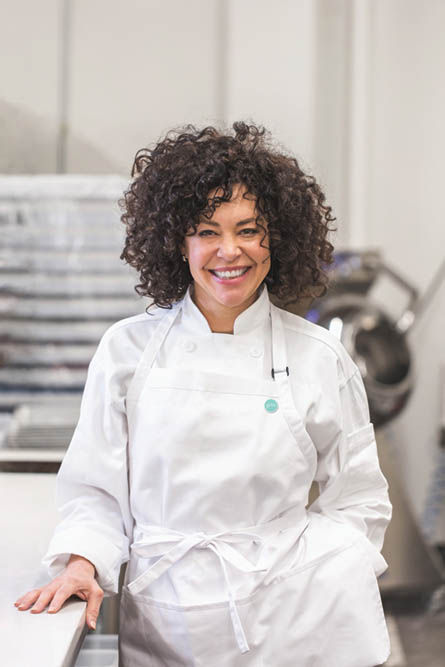
Apple is a name that evokes sweetness, and Christine Apple — founder and CEO of Grön (pronounced “Groon”) — has been cultivating a similar reputation with patience and persistence for the past decade. What began as a humble, unplanned plant passion in her home has blossomed into a beloved Oregon edible brand and a sensation spanning eight states and Canada.
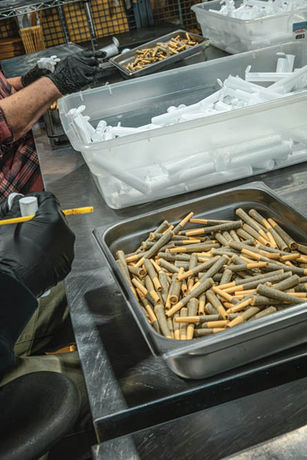
We visited Grön’s Portland headquarters and production facilities to hear about Apple’s journey — from basement beginnings as a hungry architect and underground chocolatier to pioneering the first Fair Trade Certified Cannabis chocolate.
Today, the brand is celebrating 10 years in business, has grown to employ 291 people and proudly produces an assortment of sweets (in addition to smooth signature chocolates). Grön has spent a decade designing delicacies and dosages for consumers of every level, from juicy, medicated Pearls to crunchy, candy-coated chocolate Pips.

As a fourth-generation Texan, what brought you to Oregon in 1999?
I came for a job after graduating from architecture school in Texas. Architects didn’t make much money, and Portland was the only city I could afford after interviewing in San Francisco, Portland and Seattle. I made $13 an hour as an architect with a master’s degree and rented a small apartment in Northwest Portland.
Texas is a very different social scene! How did you stumble into the Oregon Cannabis community?
After a divorce, I was working at the architecture firm and started dating someone in the Cannabis industry. At 39, I had never touched or seen a plant, but I fell in love with it and began growing in my basement thanks to a medical card.
I cried when I cut my first crop. I wasn’t into inhalation, so I explored other ways to use the plant to replace alcohol.
What inspired your dive into chocolate?
I loved food, was creative at heart and saw an opportunity. During the medical days around 2013 and 2014, I experimented with canna-butter and everything else on the market. Once RSO became available, dark chocolate became the vehicle where the flavor could be masked with coffee and salt.
Your architectural background must provide strong planning skills. Was the brand your plan from the beginning?
The brand began without a business plan and was driven entirely by love. I tried quitting a few times since I had another baby and was still working as an architect. This was my secret job, and I worried about being outed in that era — afraid my daughter’s friends wouldn’t be allowed at the house. I made products at night in the basement.
Was the journey always as smooth as your chocolate?
We made plenty of mistakes. We heavily pursued CBD in 2017, thinking that was the industry direction, and nearly lost the business when federal regulations shifted and the CBD market destabilized.
Looking back, one major moment came in 2014 when adult use passed in Oregon, and medical producers were suddenly allowed to bring 30-milligram edibles to retail. That announcement created a full race to market. We had one month to produce, test, package and deliver the product. We made 60,000 small chocolates. No one else managed to do it. That success allowed us to reinvest the revenue, and we’ve stayed scrappy, lean and agile ever since.

Let’s talk about the brand name and its success, despite a decade of mispronunciations!
“Grön” means “green” in Swedish. After studying architecture in Texas, I spent a year in Copenhagen, and the word always stayed with me. Back in 2014, I had to submit a chocolate bar for testing and was told it needed a name. I brainstormed on a whiteboard in my bedroom, looking for something meaningful. Many premium chocolate brands use European words that are hard to pronounce, so I leaned into that tradition. The name simply means “green,” tied to sustainability and the plant. People mispronounce it constantly, but that has become part of the charm.
How would you say the Oregon market differs from those in other states and Canada?
My heart belongs here. Oregon is our legacy market, our anchor and still our most successful state. Despite the challenges many brands face here, Oregon has been good to us. Growing up as a brand in Oregon gives us a competitive edge. We had to be scrappy and fight hard, and that prepared us for every other state. Oregon is where we test products and strategies because the consumer base is highly educated.
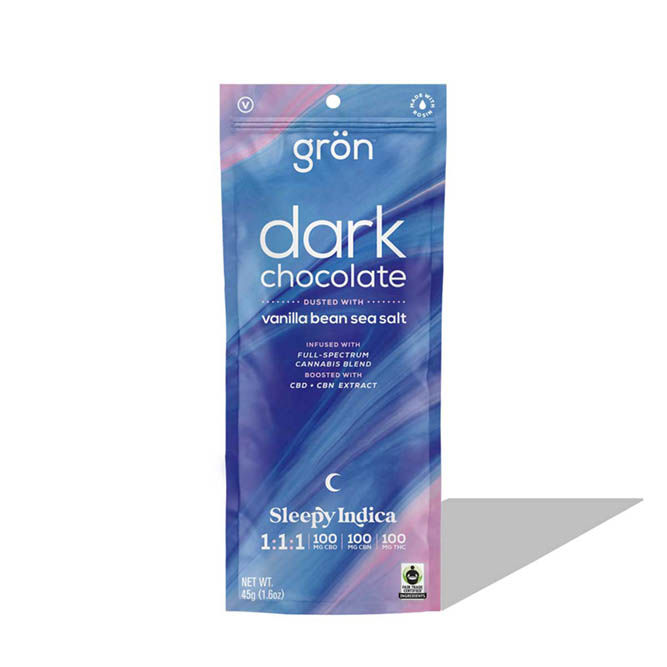
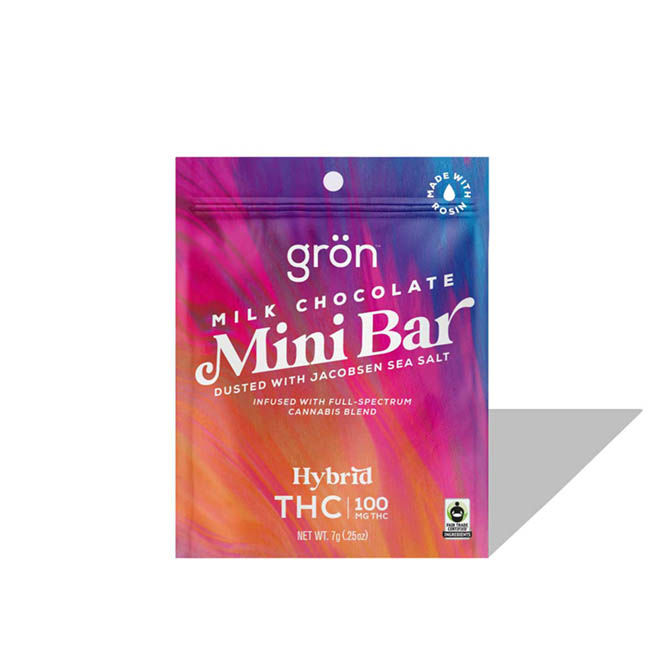
It’s no secret that Oregonians love hyper-local, ethically sourced products. What makes your edibles such an Oregon staple?
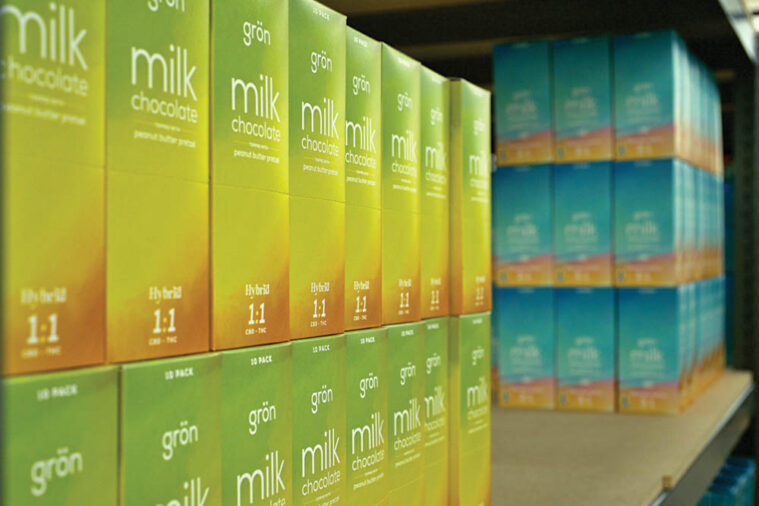
Jacobsen sea salt from the Oregon Coast tops all our chocolate bars. Our chocolate is Fair Trade Certified, and we were the first Cannabis company to achieve that. Cacao is a dwindling resource, and Fair Trade USA supports ethical labor practices. We absorb the higher ingredient costs because quality matters. We use organic ingredients, natural flavors and colors, and partner with True Terpenes in Portland for custom flavor and terpene blends. Sugar is sourced locally — across eight states and Canada.
Any dreams of a Willy Wonka-style facility where retail and production collide?
We tried that during our CBD era. We had a cafe, tours and a storefront, and it was wonderful. But current regulations make it impractical. A retail space is still a dream, but not our focus. Our strength is doing one thing well and staying committed to that.