In a modern world fascinated with the esoteric, collectible rarities, there’s no better source of enlightenment and entertainment than a trip to set the mind and spirit free. Rare psychedelics are the long-lost power-ups that built our civilizations, united tribes, gave coming-of-age experiences to youth and even helped the ancients connect with God.
Today, psychonauts are collecting, growing, synthesizing and sharing these psychedelics to ensure that they are not lost or forgotten. While Big Pharma has spent nearly 100 years poisoning America with petroleum-based drugs, these ancient tools are being rediscovered. A race is on for Big Pharma to patent medicines given by the creator, given freely for our spiritual, mental and physical growth. These are the rare psychedelics, the ancient keys, that we are rediscovering today in our society that badly needs a reset to traditional human values.
If there is one thing that’s certain, humans were made to experience psychedelic trips, and the tools were given to unlock these mysteries in plants, animals and the natural world. This power was stolen by the war on drugs, and now a new spiritual war for freedom to pursue what our Constitution deems “the pursuit of happiness” is the front line of drug culture. What was given by the creator cannot be outlawed by man, or taken by law, for nature and God’s plan for humans to live free is undeniable.
Psilocybin
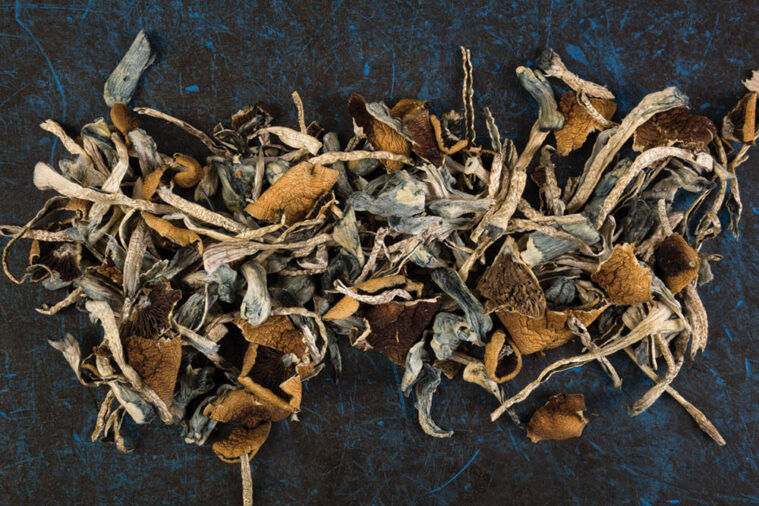
Psilocybin is a natural tryptamine alkaloid (Google this two-word combo for an intense drug-learning sesh) that is found in over 200 species of mushrooms. Evidence suggests the use of mushrooms for healing, ceremony, spirituality and fun extends to the beginning of human history. These “magic mushrooms” have tremendous mental health benefits and are now being studied to treat major psychiatric issues, including depression, anxiety, post-traumatic stress disorder, obsessive-compulsive disorder, substance abuse disorders and the effects of a boring day at work.
DMT
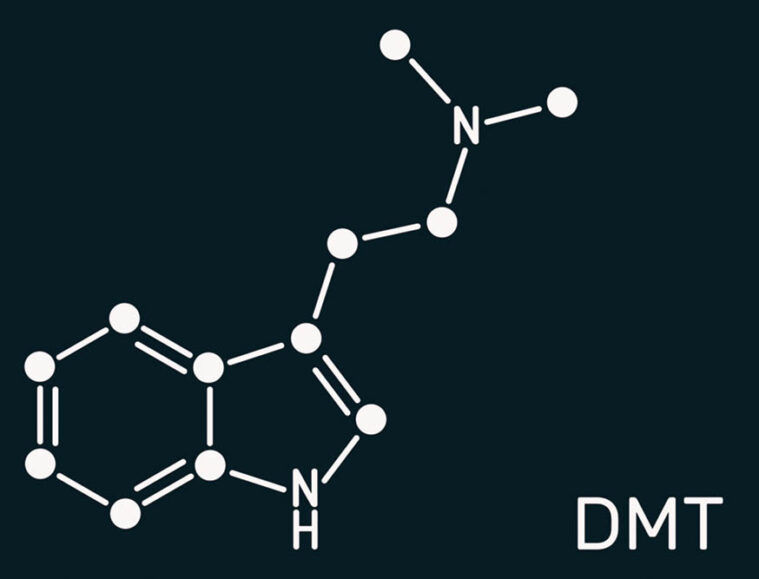
DMT — or N,N-dimethyltryptamine, also known as “the spirit molecule,” which is the title of an amazing book — can be found naturally in many plants and animals. Additionally, it’s produced endogenously in our brains when we are born, dreaming, and during death. Traditionally consumed in ayahuasca form, today’s psychedelic scientists have extracted DMT to be smoked or vaporized. Effects are short, but a lifetime can be lived in other dimensions during a 15-minute earthly sesh. There’s also overseas research in IV drips for sustained DMT trips. The final frontier of consciousness, now in vape pen form!
Ayahuasca
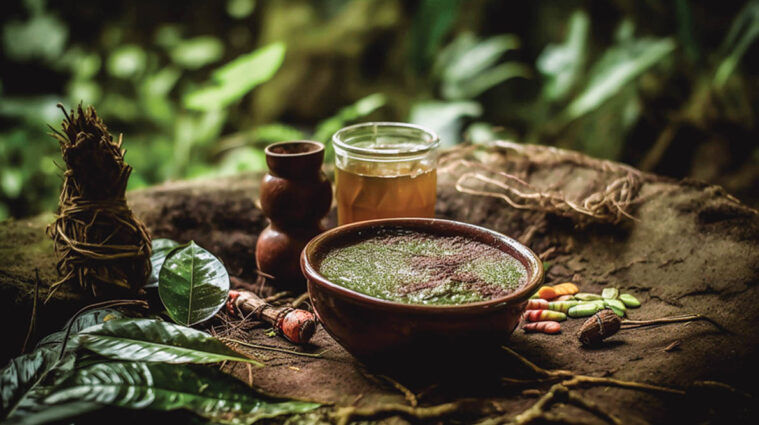
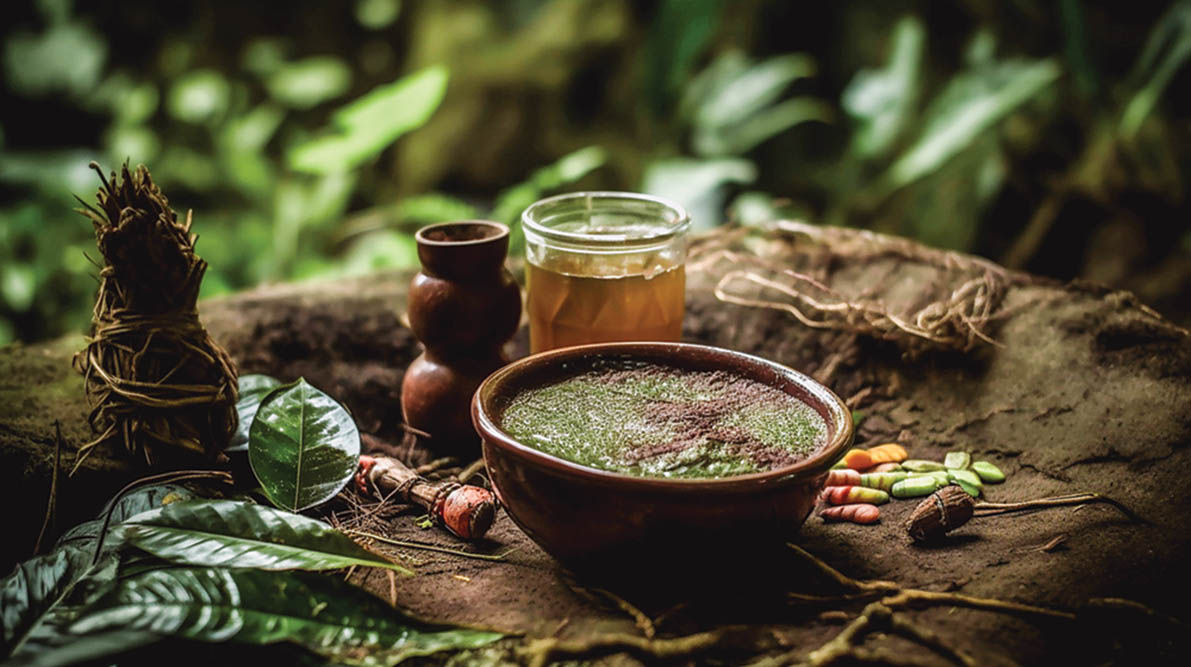
Once a rare tribal tradition dating back thousands of years, preparing ayahuasca involves the combination of boiling a vine called Banisteriopsis caapi, which is a MAO inhibitor, with Psychotria viridis (chacruna), which has DMT naturally, to release a brew ready for spiritual journeys and intense purge-and-heal experiences. Once only found in the jungles among traditional settings, ayahuasca ceremonies are now more common around the world.
MDMA
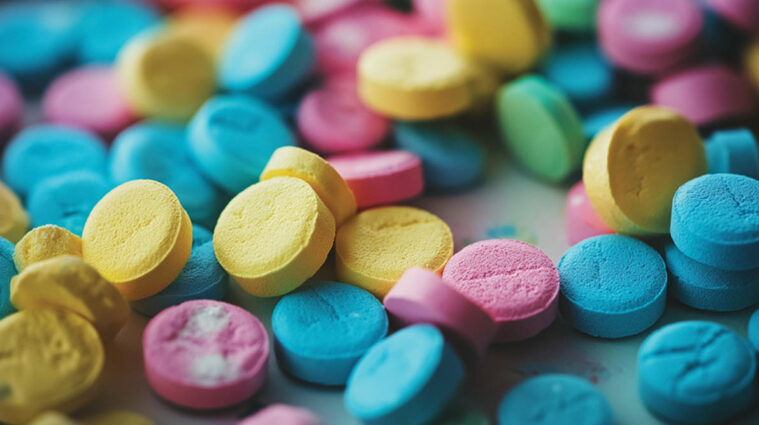
Molly, ecstasy and MDMA. These names cover the same chemical — 3,4 methylenedioxymethamphetamine — which is considered both a hallucinogen and a stimulant, and great for dance parties. Studies by the Multidisciplinary Association for Psychedelic Studies find that MDMA treats depression, PTSD and many other symptoms. Jump into a cuddle puddle and find out why MDMA was considered the best therapy drug of the ’80s, especially for couples, before the government locked it down for its recreational potential.
Sassafras
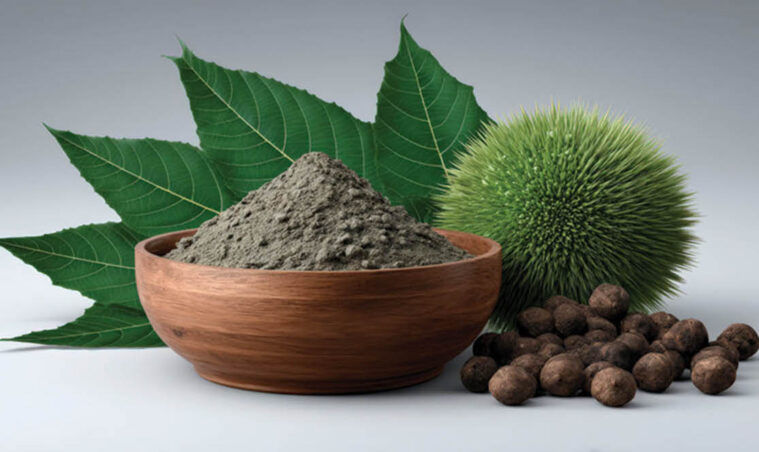
More proof that plants are our friends, the sassafras tree (Sassafras albidum) contains essential oils rich in safrole, which can be synthesized into MDMA. Sassafras generally refers to an oil extract from the plant, which produces a more energetic and visual high that boosts serotonin, dopamine and norepinephrine release.
Kambo (Phyllomedusa Bicolor Secretion)
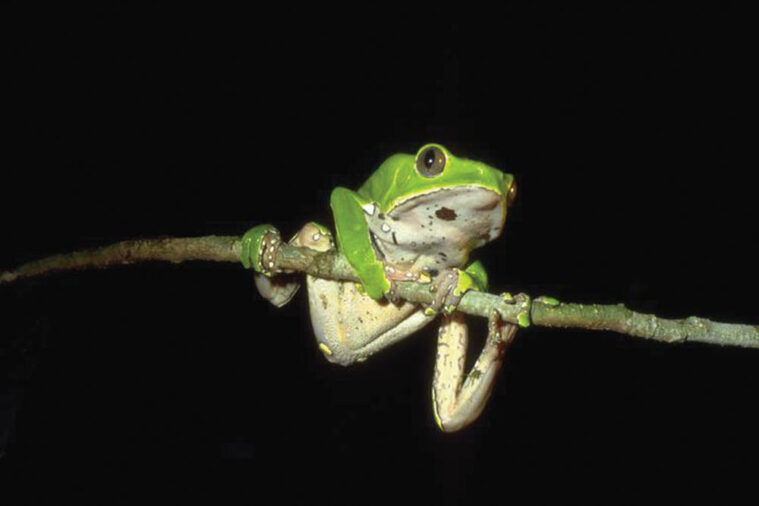
It’s funny to use the word “extract” when referring to a Phyllomedusa bicolor frog, but this medicine is taken from the frog and burned onto the skin, causing intense purging before imparting a sense of clarity, focus and purpose. It’s used for detoxing and purification.
Bufo
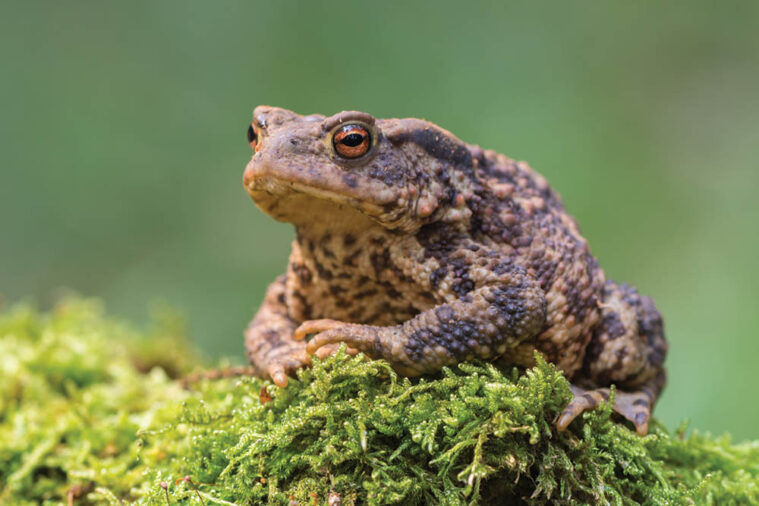
Explore new levels of consciousness via animal medicine. Using the venom of the Bufo alvarius (Sonoran Desert toad), which contains high concentrations of 5-MeO-DMT, Bufo brings a major peak along with an experience many report as similar to a death and rebirth during the trip.
LSD
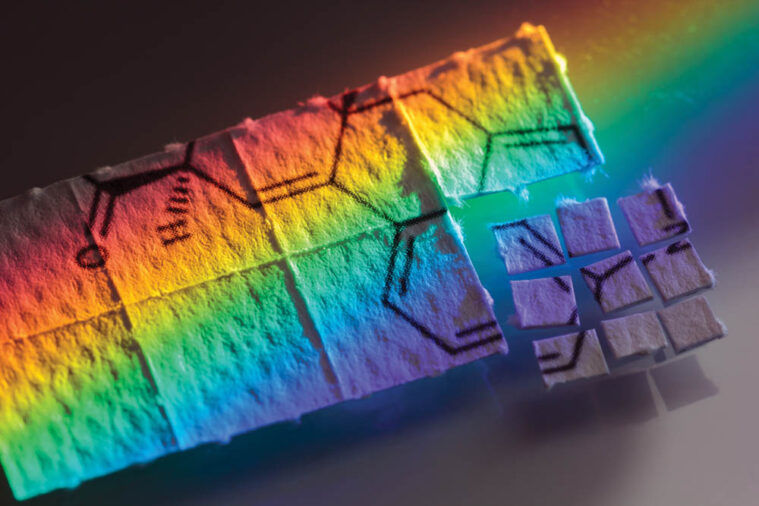
First synthesized in 1938 by Swiss chemist Albert Hofmann, who was researching tryptamines in ergot fungus derivatives, LSD (lysergic acid diethylamide) was originally intended to be a treatment for a wide range of psychiatric disorders. But was he the first to unlock this fungal trip? Ergot has been found in ancient Greek drinking vessels and Hellenistic ritual goblets, and it is thought to have influenced early Christian esoteric ceremonies. When Hofmann rediscovered LSD in a Swiss pharmaceutical laboratory, the drug was considered a wonder treatment, and what we would call “trip rooms” were set up for employees to experience the tryptamine. Made illegal by the U.S., LSD is one of the most powerful psychedelics still waiting for research, trials and religious freedom to bring it back into the light. It’s also why the art, cars, music and culture of the ’60s were so great!
Salvia
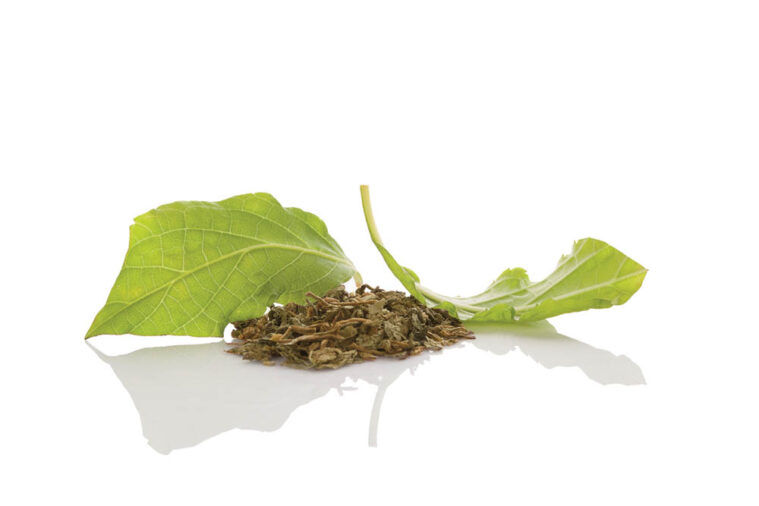
Salvia divinorum, aka “diviner’s sage,” hit gas stations and smoke shops in the 2000s, sending unwitting users on an intense, short-lived psychedelic trip. This writer once smoked a large bowl out of a pop can before climbing aboard, as the red Coke became a spaceship, piloted to the moon and back in an epic journey. Still legal today in most states, Salvia — from the Mexican Lamiaceae mint family and its nonalkaloidal hallucinogen salvinorin A — is one of the most potent naturally occurring psychedelics. Check out the “Gardening on Salvia” video for a trip back to the early internet, and see how this powerful drug works in the garden!
The OG
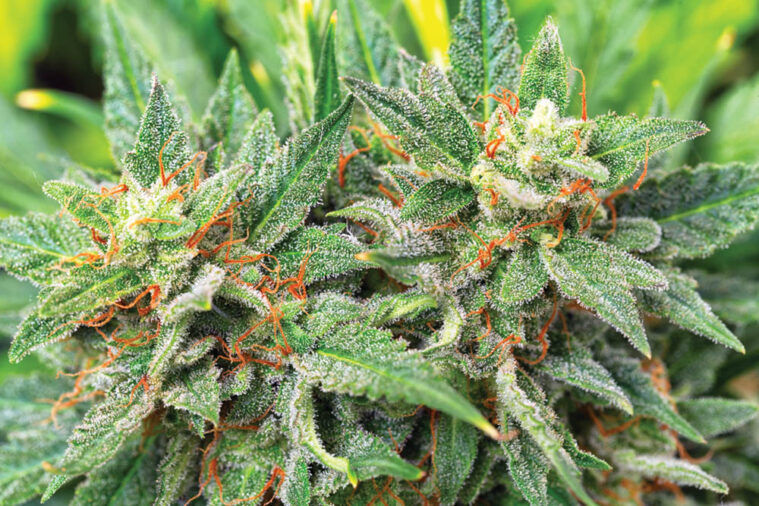
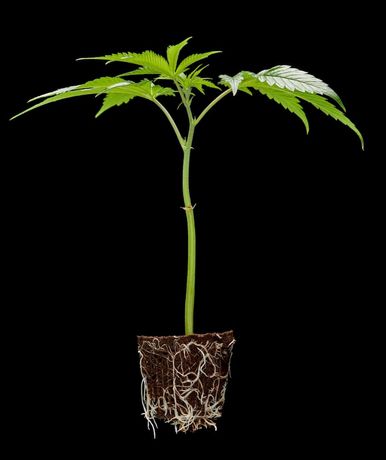
Cannabis might seem commonplace today, but just 20 years ago, scoring a bag of green bud was pretty difficult. When I first started smoking, the drug seemed so mysterious — a plant that’s illegal! In my young mind, I thought the government only banned things that caused harm.
Buying seeds and growing Cannabis was safer than running cocaine in the ’80s, but still came with tremendous risk. Finding a strain or genetics was next to impossible. Despite the illegality, challenges and risk of prison, our Cannabis breeding heroes risked this to breed, clone and spread the plant underground. For this, we include Cannabis as a rare psychedelic. With the plant still illegal in many states and countries, there is still work to be done to share this healing medicine with the entire planet!
Secret Stash Advice
The war on drugs created rebels and freedom fighters who chose mental, spiritual and physical freedom during a time when substances we call medicine led to decade-long prison sentences. Today, many secret stashes are being dusted off and shared with the world, which is leading to a new psychedelic renaissance. Remember to be careful when sharing psychedelics, always consume in safe settings and follow the golden rule: You can always eat more, but you can’t eat less!