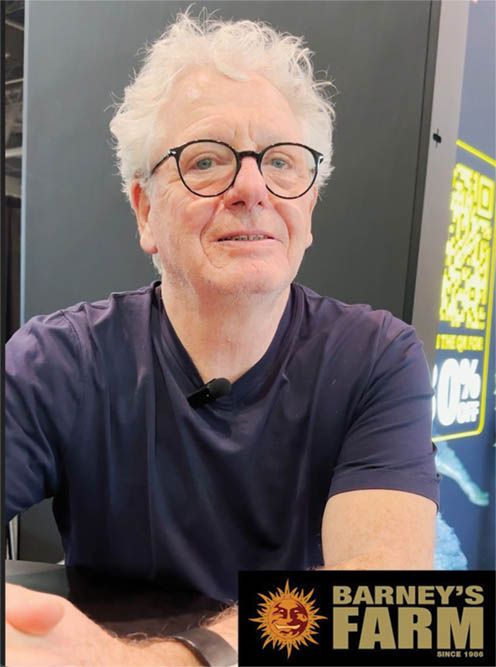
Derry Brett started collecting Cannabis genetics in the early 1980s, moving through parts of Central and Southeast Asia and bringing seeds back from places where the plant had been grown for generations. Those lines are still in Barney’s Farm’s breeding program — artifacts, yes, but continually worked into whatever comes next as the seed bank’s legacy grows.
Barney’s Farm now operates as a global seed company with decades of recognition behind it, but Brett doesn’t frame it that way. When the subject of competition comes up, he shrugs it off.
“The market being crowded is a compliment,” he said. “We showed the world what great Cannabis genetics could be.”
He’s more interested in what happens after that first moment of discovery. Finding a standout plant isn’t the problem.
“Anyone can find a fire pheno in a pack of ten,” he said. “That’s luck.”
The work is in getting it to show up again — reliably, under different conditions, for various growers.
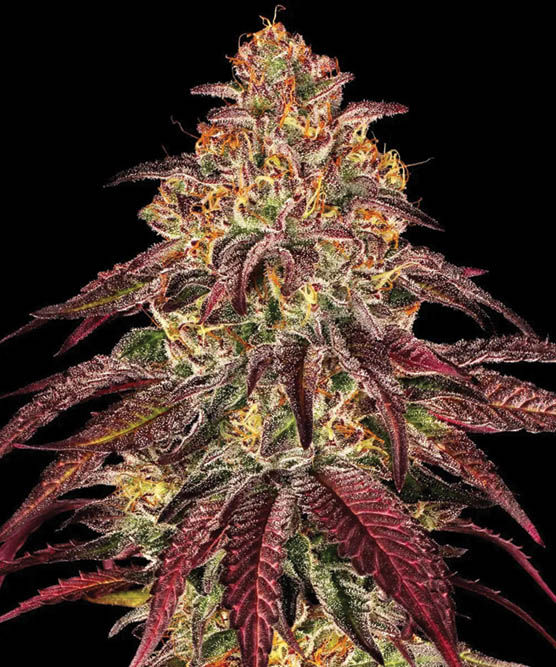
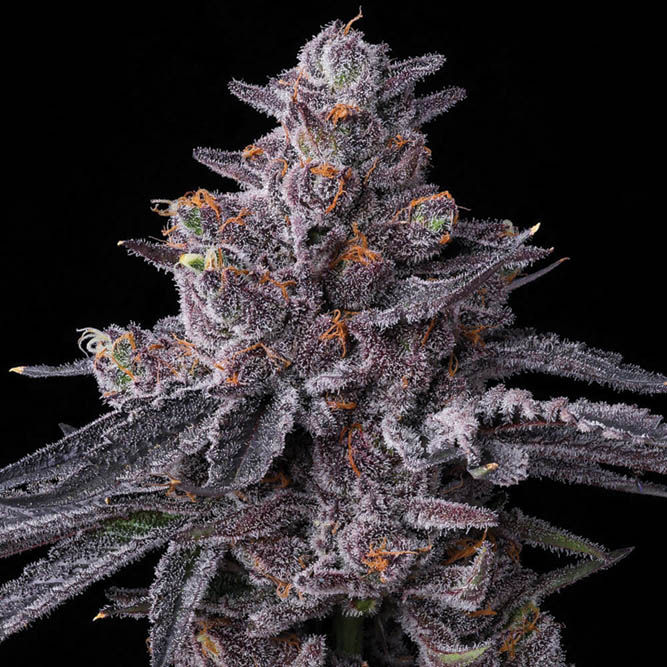
That expectation runs through the entire operation. Barney’s Farm has expanded its facilities and invested in lab work, but the release process still comes down to a simple rule: If something isn’t right, it doesn’t ship.
The growers themselves have changed. Brett describes the early coffeeshop years in Amsterdam as a smaller, more exploratory moment. Now he’s dealing with growers who arrive with a clear set of expectations.
“People know exactly what they want — specific effects, specific flavor profiles, specific cultivation traits,” he said.
That shift has pushed breeding in a different direction. Brett points to the level of terpene complexity now achievable, but doesn’t treat it as a finish line. It’s another variable to stabilize, another thing that has to hold up over time.
The older genetics remain part of that process. Brett still works from the landrace material he collected decades ago, folding it into newer lines rather than separating it.
“Those genetics are irreplaceable,” he said. “The history of Cannabis is written in these plants.”
The company’s recent move into the U.S. has changed how closely that work is tied to the people using it. Barney’s Farm now handles distribution and is developing genetics in California, where Brett says the conditions allow for a slower, more deliberate pace.
“The quality coming out of that environment is exceptional,” he said, but the bigger shift is proximity — seeing how plants perform and adjusting in real time.
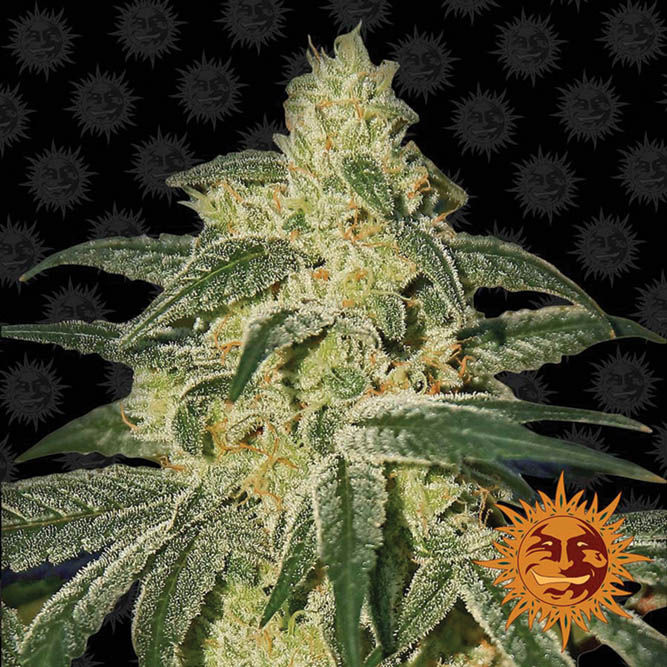
He doesn’t spend much time on the regulatory challenges that come with that shift, even though they’re significant. The U.S. market moves quickly and unevenly. That’s part of the landscape.
What stands out more to him is the broader shift in how Cannabis is treated.
“I’ve spent most of my adult life in an industry that was criminalized, marginalized and misunderstood,” he said.
The change isn’t total, but it’s enough to alter the context in which the work exists.
Brett doesn’t describe the industry as settling into a single shape. Larger operations will continue to expand. Smaller breeders will continue working independently.
“Cannabis has always had a craft culture at its heart,” he said, and he doesn’t expect that to disappear.
His focus stays close to where it started. The work is still about taking existing genetics, crossing them and seeing what holds. Some of it traces back to those early collections in Asia. Some of it comes from newer collaborations. Brett mentions Africa as a region he’s watching, but he doesn’t present it as a pivot so much as a continuation.
“What defines us is that we’re still chasing it,” he said. “Still excited by what a new cross might become.”