
When the Rev. Dr. Heber Brown III talks about entering Maryland’s Cannabis industry, he sounds less like a businessman and more like a preacher widening the boundaries of his ministry.
“I’ve resisted being put in boxes my whole life,” Brown said.
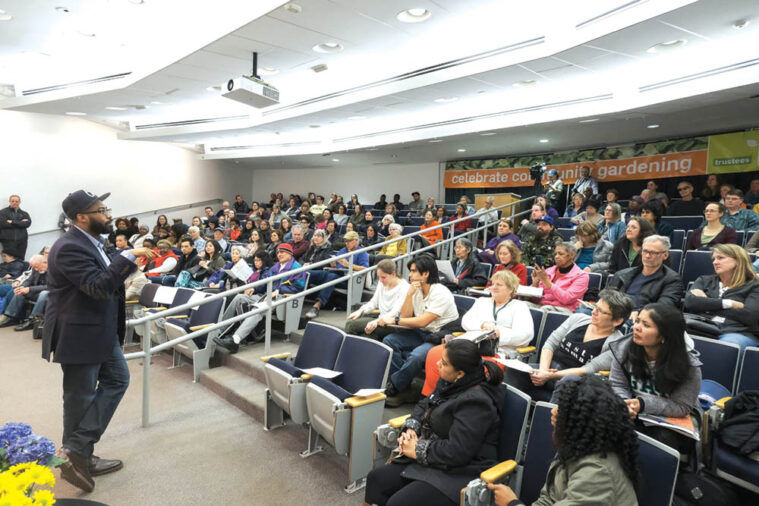
For a third-generation Baptist pastor who has spent 26 years preaching, that sentence carries weight. Brown, who turned 45 this May, comes from a family where ministry was practically inherited. His father, grandfather, aunts and uncles all served in the church. He followed, but with a social-justice lens that pushed beyond the pulpit.
“At seminary, I studied people like James Cone and how they were applying a social justice and activism approach to scripture,” Brown said. “That lit me on fire.”
That fire has taken Brown in an unusual direction: toward a Cannabis dispensary.
His company, Marula Wellness, is expected to open in Frederick in late 2026 or early 2027. The business is still finalizing a second round of fundraising and narrowing down real estate options, but Brown says the mission has been years in the making.
While pastoring in Baltimore, Brown watched Maryland legalize medical Cannabis while many Black residents remained incarcerated for nonviolent drug charges.
“The more I learned, the more I wanted to be intricately involved,” Brown said. “I recognized that many people who are incarcerated on nonviolent drug charges are people who look like me. I couldn’t stomach standing by watching medical Cannabis enrich some people while other people were still behind bars for it.”
For Brown, the decision was about justice, not retail.
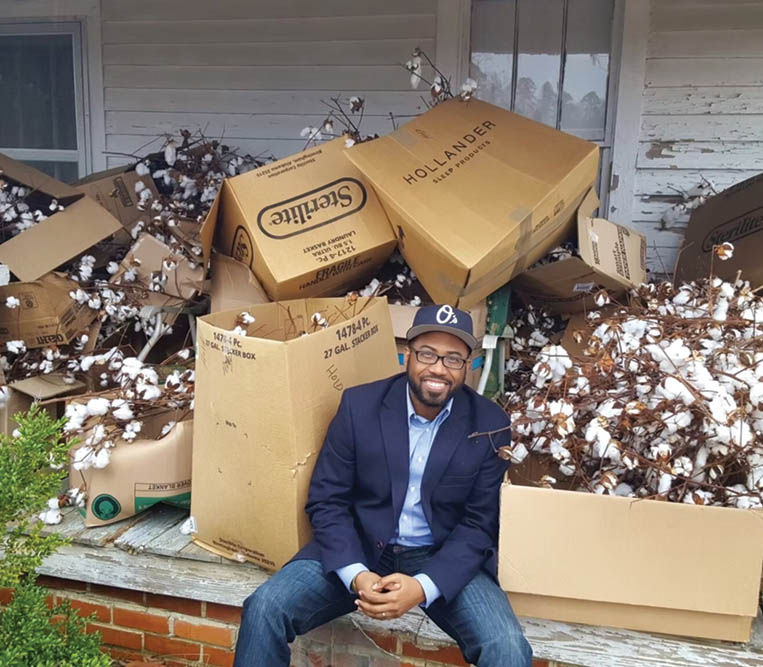
“Being inside the industry helps me, gives me a seat to help others get into the industry,” he said.
That perspective has not come without criticism. When Brown publicly announced his plans in an April 20 op-ed for The Afro-American Newspapers, some longtime supporters and fellow Christians pushed back.
“There were some that were very surprised. Eyebrows went up high. ‘What in the world is the good doctor doing? This is blasphemy!’” Brown said.
He understands why. Brown grew up in the same anti-Cannabis culture as many of his critics.
“Many people will remember the D.A.R.E. program, Nancy Reagan, Just Say No. That’s my upbringing, too,” he said. “But it’s time to update our thinking and keep an open mind.”
Brown said those criticisms are quieter than the stories he hears from people seeking relief: women undergoing chemotherapy, veterans managing PTSD, seniors living with arthritis and others who say Cannabis products have improved their quality of life.
“What’s louder in my ear are people who tell me this is helping them,” Brown said.
His larger goal is to build something that redefines what a dispensary can be.
Brown says Marula Wellness — named after the marula tree of sub-Saharan Africa, celebrated for its healing properties — will function less like a traditional storefront and more like a community anchor. He envisions an apothecary feel, with classes, educational programming, food and farming workshops and a foundation that provides training for incarcerated individuals preparing for release.
“I think Marula Wellness is going to feel so much like a community center,” Brown said. “It’s not necessarily just about making transactions, but about being a good neighbor.”
He also hopes to transition the company to a worker-owned cooperative within five to eight years, allowing employees — potentially including formerly incarcerated individuals — to become owners.
“There is a bit of poetic justice,” Brown said, “to think of those who were formerly incarcerated or left out of the industry becoming worker-owners and getting in the driver’s seat for their destiny.”
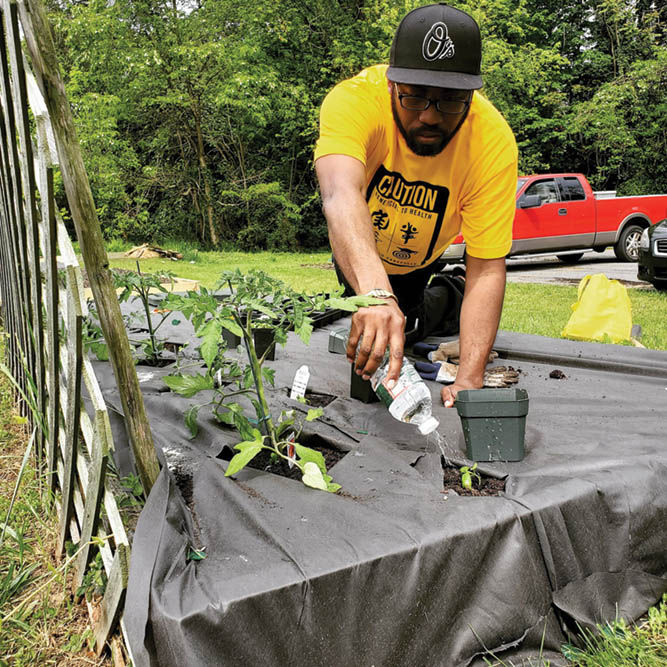
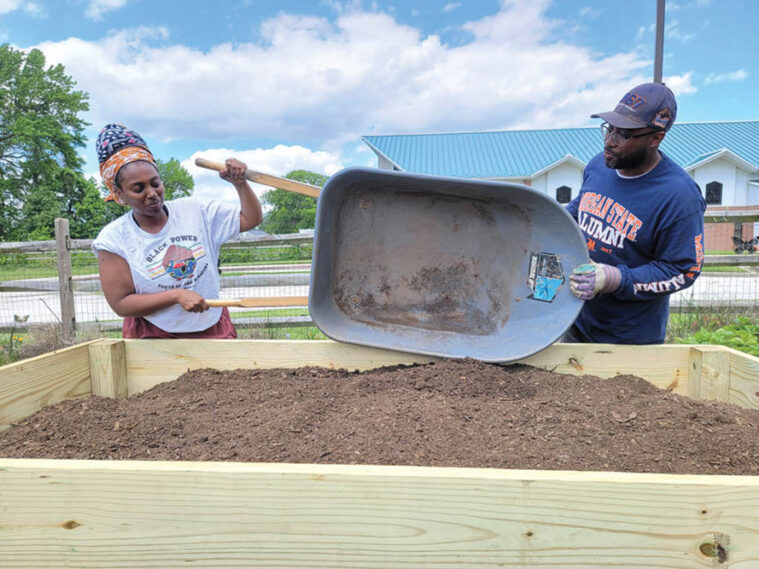
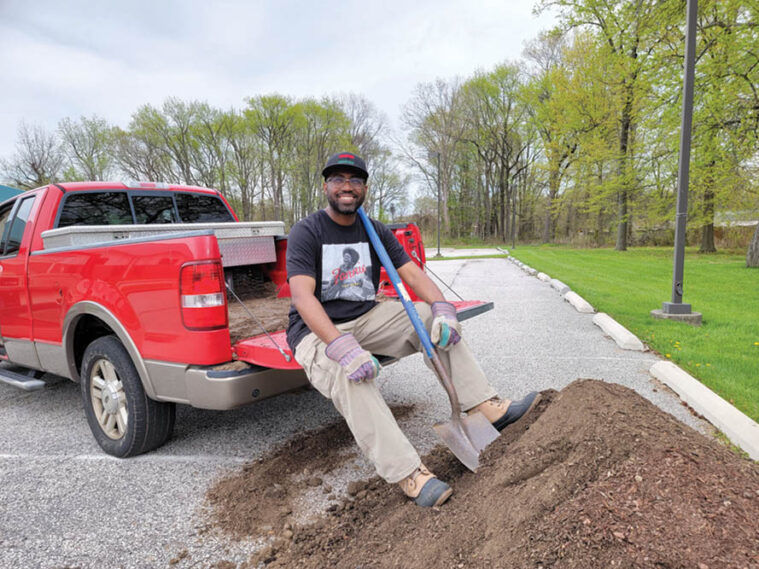
That community-first vision builds directly from Brown’s previous work in agriculture. Following the Freddie Gray protests, Brown expanded church-based food access efforts that eventually grew into the Black Church Food Security Network. For more than a decade, he has worked with Black farmers nationwide, advocating for land access and local food systems.
Now that work is intersecting with Cannabis through a collaboration with Alisha Edwards, founder of the Baltimore Vertical Farming Association.
Together, they are exploring a pilot project in West Baltimore: converting underused church space into a 500-square-foot vertical farming site that could eventually serve as a model for larger community-owned agricultural ventures. Edwards’ long-term vision includes reclaiming vacant city properties and turning them into agricultural businesses, including possible Cannabis cultivation if future licensing allows.
“When it comes to Alisha, we are really trying to broaden the ecosystems,” Brown said. “Whether it’s Cannabis or sweet potatoes, we can all benefit from having a better understanding of the ecosystem as a whole.”
For Brown, Cannabis is not the destination; it is simply the next doorway.
For some, he said, Cannabis may never be the front door. Food, farming and education may be. But he believes all of it points to the same thing: community health, self-determination and expanding what people believe is possible.
baltimoreverticalfarms.org | @baltimorevertical_farmingassoc