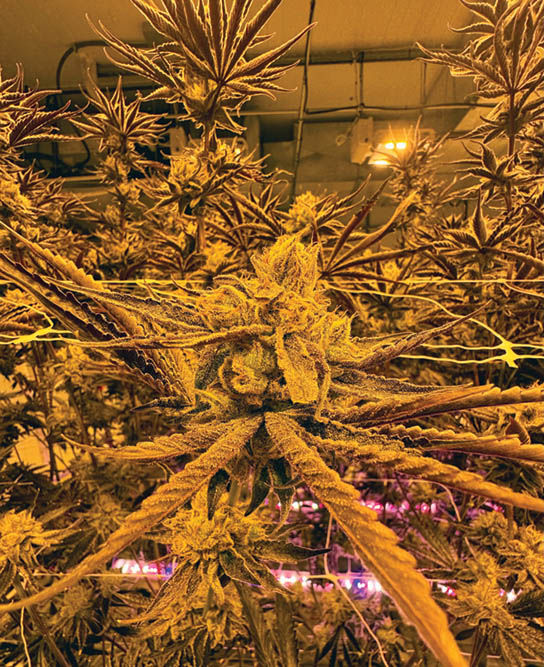
For Los Angeles flower brand Planta, the standard is simple: The flavor has to make it all the way from the jar to the last hit.
The California market has spent years teaching people to judge flower before they smoke it. Bright Mylar bags compete for attention, while THC percentages make an easy, if incomplete, shorthand for quality.
Planta entered that market in 2021 with a different priority. Founded in Los Angeles by Derek Formoso and Freddie “Bigg” Aquitania, the brand was built around the flower inside the package.
“We set out to create something more than just crazy packaging,” Formoso said. “We set out to bring some of the best flower we possibly could to market.”
The name, Planta, reflects that focus.

“We have always believed it’s what’s inside the bag that really matters,” he said.
What is inside the bag has to pass Formoso’s smoke test. He estimates that exotic flower represents 5% or less of the market, though his definition has little to do with whether a bud photographs well.
Formoso summarizes it this way: “Does it taste exactly how it smells, and does that flavor translate throughout the whole experience?”
A distinctive terpene profile matters next, especially one that makes a person want to return to the same jar. Bag appeal comes last.
“Some of the best strains are not lookers, but they check all the boxes that really matter,” he said.
Flower can be dense, colorful and frosted and still lose its personality as soon as it burns. Formoso is most interested in the cultivars that survive the flame.
Planta uses that standard when hunting new genetics. The team considers whether a terpene profile offers something its customers want, then smokes the flower to see whether the flavor carries through the session.
Structure and yield still matter because any plant headed for California’s recreational market has to be commercially viable, but Formoso said those considerations rank below the experience of smoking it.
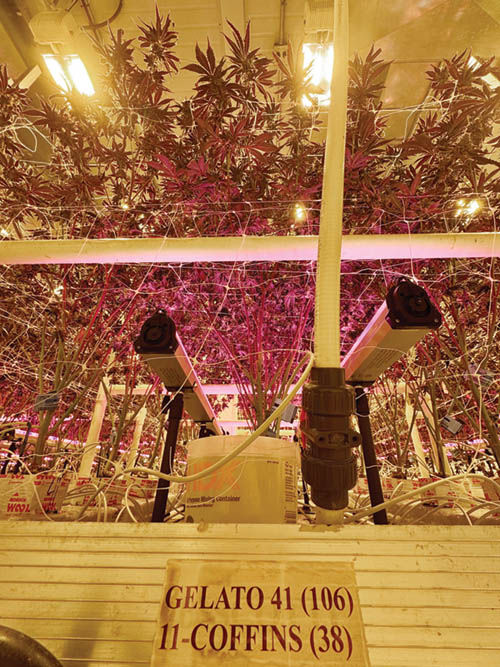
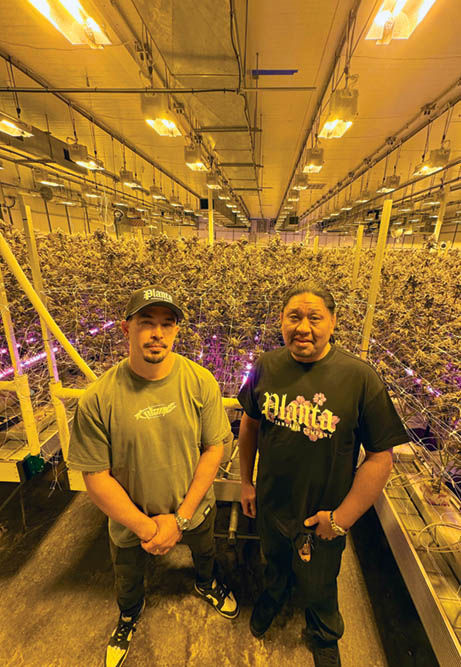
The company recently finished a breeding project and is now hunting through 20 varieties it expects to begin releasing in 2027. Some will meet the market where it is; others may help move it somewhere new.
That balance is difficult in a market heavily shaped by candy and dessert strains. Formoso said he does not blame breeders for following demand.
“The market wants what it wants,” he said.
To those points, Planta’s own catalog includes candy, gas and Gelato-family cultivars, alongside older profiles the team believes are still worth preserving, especially for connoisseurs and those who crave variety and history.
Formoso said its recently launched Chem OG has gained traction and that Gorilla Glue received strong reviews. Sour Diesel is harder to find in the form longtime smokers remember.
“Sour Diesel seems to have been lost forever,” Formoso said.
Whether it is truly gone or simply buried beneath years of crosses, his point is that market pressure doesn’t just create trends but decides which genetics remain available for generations to come.
Cultivation can narrow a plant’s potential further. Formoso has used crop steering since 2017 or 2018, and Planta has developed a standard operating procedure that guides irrigation and environmental adjustments without treating maximum yield as the only goal.
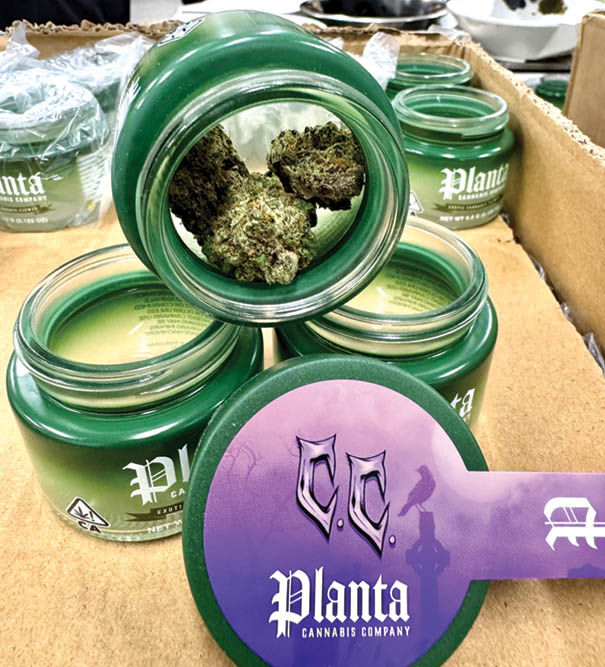
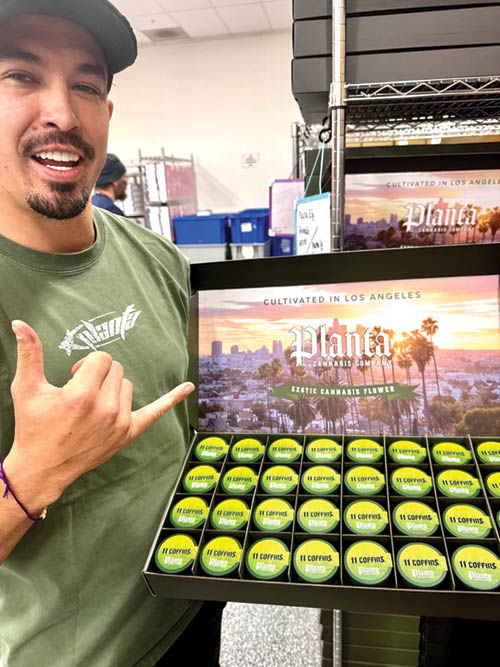
“Crop steering has not changed the expression of any of our cultivars; it has only enhanced them,” Formoso said.
The method has limits, though.
“There is a tipping point with crop steering where pushing too hard for yield will inevitably cause a loss in quality,” he said.
Planta’s process continues with a 14-day whole-plant hang and close attention to the dry room.
“The post-harvest process is one of the biggest factors that can determine the end result of your flower,” Formoso said.
The company watches moisture carefully because flower dried too little can smoke harshly, while overdrying can diminish the aroma and flavor it spent months developing.
The final decision still happens through use. Formoso said Planta’s quality-control team smokes each new genetic several times before approving it and checks every finished batch before it reaches a jar. That process matters more to him than a potency result alone.
“THC percentages are a major challenge in our industry because end users are often not educated properly,” Formoso said. “They shop based on THC percentage most of the time, and that isn’t the only compound controlling the experience.”
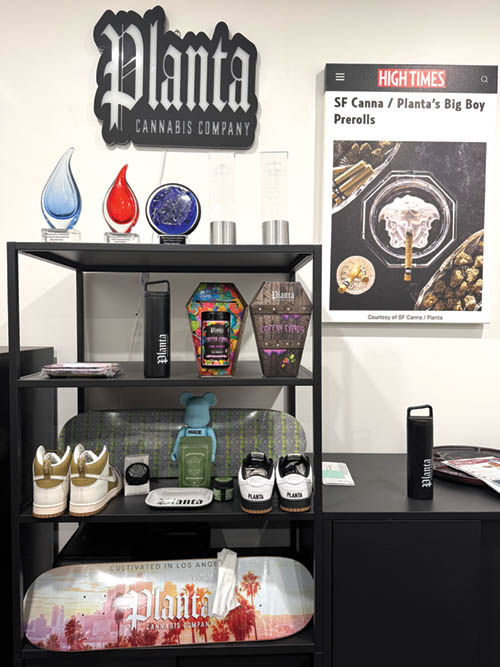
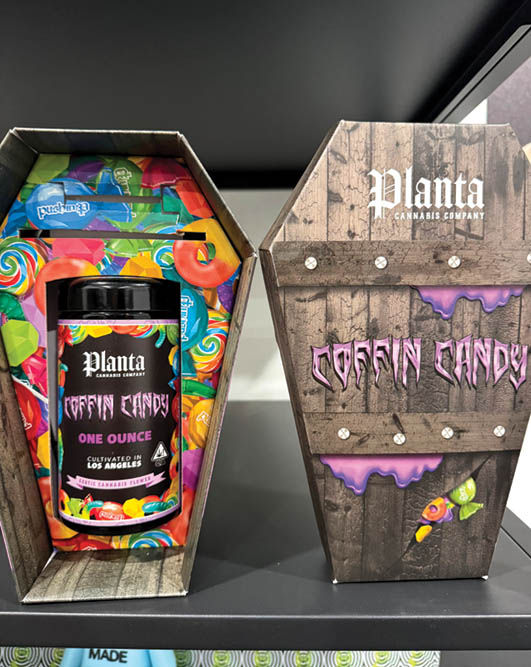
He contrasts the monotone high he associates with a 98% THC vape cart with the long, sedative experience he can get from an 18% THC joint of OG. It is a subjective comparison, but it illustrates the limitation of asking one number to describe an entire plant.
Formoso said he expects consumers to become more demanding as their palates develop, with smokeability and genetic variety eventually carrying more weight than potency or appearance.
“Five years from today, I think smokeability will be the main thing connoisseurs are looking for and will determine true top-shelf flower,” he said.
If shoppers do not move beyond THC percentage, he worries the legal market will keep breeding out great cultivars simply because they are harder to sell.
Planta’s wager is that people will learn to notice what lasts: the flavor after the first hit, the shape of the high and whether or not the jar is still the one they’ll reach for tomorrow.