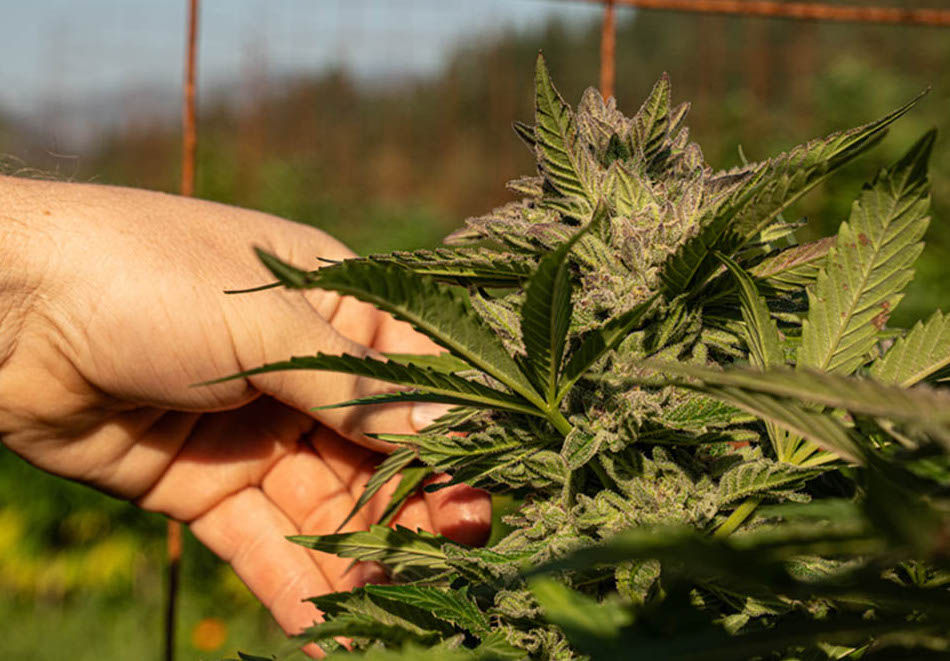
Excellent outdoor Cannabis often shares one trait: resiliency. This year, Eagle Trees Farm centered its closed-loop genetics program on a plant that embodies just that. Siblings Jesse Straight, COO, and Kenny Ingebrigtson, lead grower, started the regenerative farm more than a decade ago.
“Kenny’s always been a ganja farmer; that’s his archetype,” Straight shared with the Leaf. “And when Washington legalized Cannabis, I believe it was like 2012, we talked about potentially opening something, and then we figured out how to do it.”
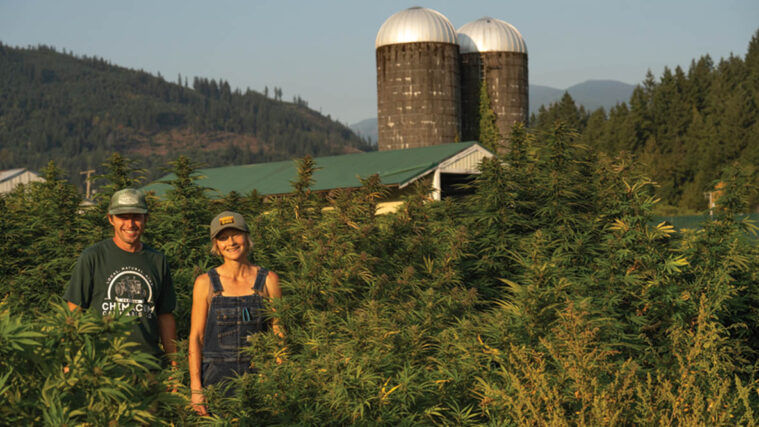
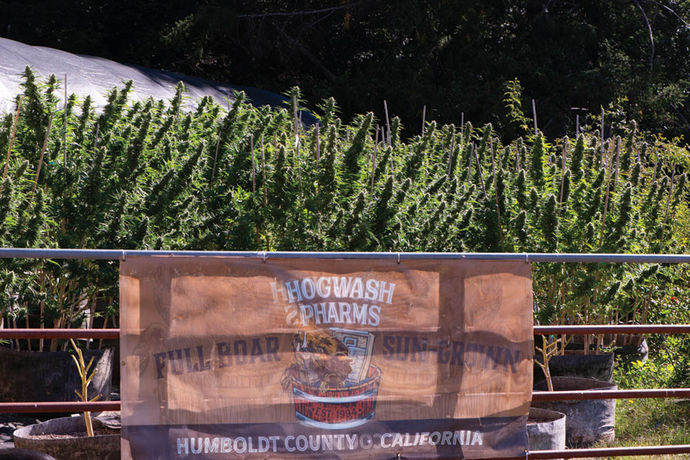
Eleven years later, the team runs sun-grown flower and light-dep greenhouses while maintaining companion plants among the Cannabis and marveling at the little frogs, owls and creatures around the flower patch.
This year, harvest weather was impeccable. Sunbeam-filled harvest days were well-earned after another closed-loop season, meaning that no plant inputs came from off-farm. Operating on a closed loop reduces plastic and landfill-bound waste, lowers power needs and brings many crucial growth variables — like fertilizer, well water and seeds — in-house.
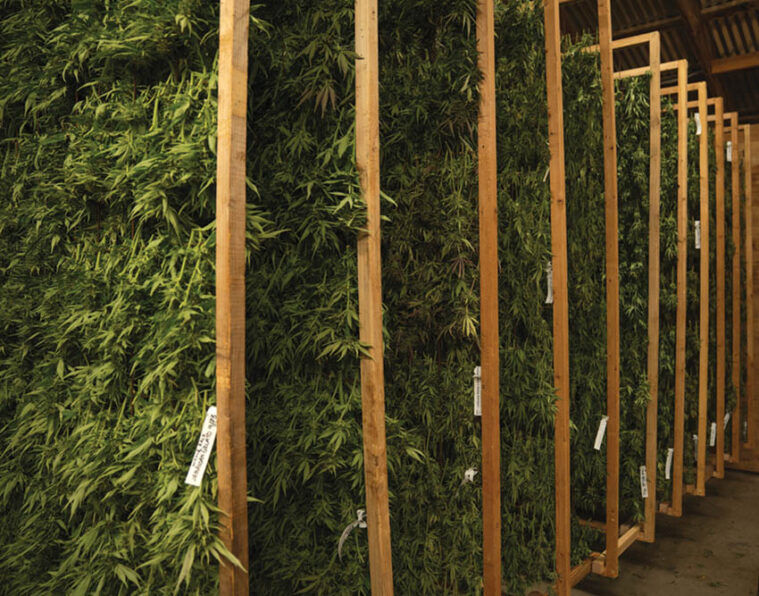
“The breeding is a big part of the closed loop that’s kind of understated,” Ingebrigtson said. “The genetics program is how you can really be closed loop. Making our own seeds, we don’t need to run lights all winter, and we can pop the seeds in the natural light and not have to heat them, not have to use extra energy.”
Each year, Ingebrigtson focuses on one plant for seed production. Last year was all about Sour Apple Sherb, and this is the year of Banana Cherry Lion — a plant selected for its strength in adversity.
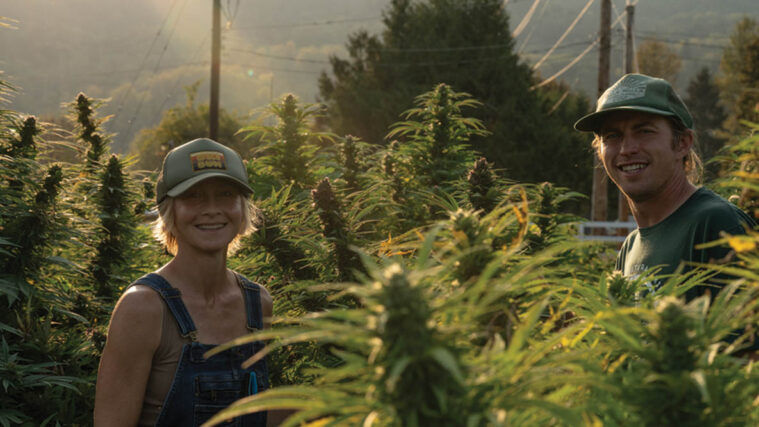
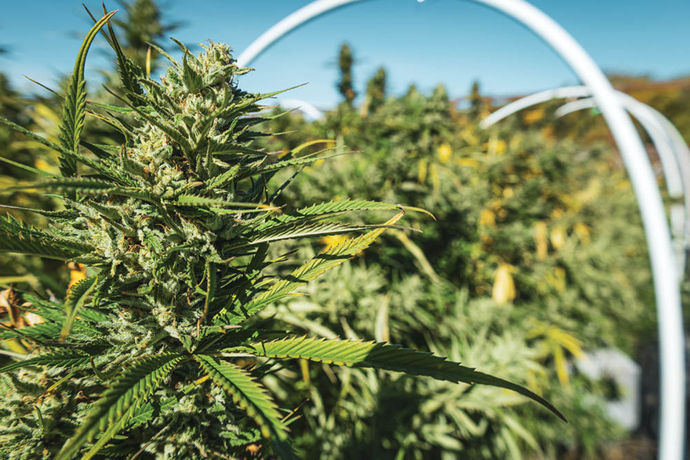
In the last few years, Eagle Trees had to pivot through challenges and look deeper at the closed loop. Now, the farm is celebrating an excellent harvest season, thanks in part to Banana Cherry Lion proving powerful over those couple of seasons. Not only that, the uplifting strain grows dense, mold-resistant nugs, has bag appeal, is flavorful and tests well.
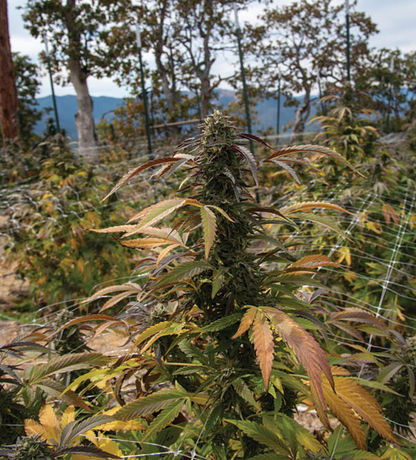
Originally bred by Green Source Gardens, Banana Cherry Lion embodies a gassy earth aroma, much like OG Kush strains, alongside sharp fruit notes. The crosses reached 9 feet tall and blushed in purple and blue hues, while the nugs took on a green frosty hue with red hairs.
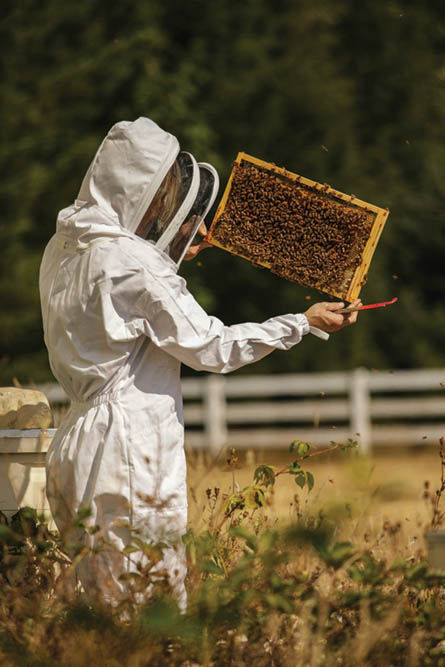
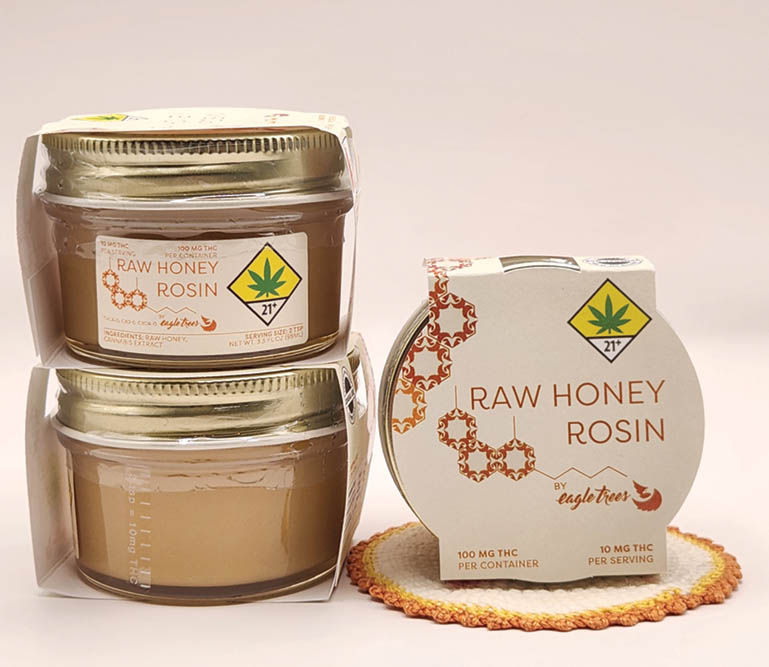
Eagle Trees sells THC flower, mixed-ratio CBD and CBG flower, joints, temple balls, Moroccan-style hash, RSO and rosin. Last year, its first edible hit the menu: Raw Honey Rosin. Some of the batches are made by Eagle Trees’ bees, while others are crafted by local beekeeper Casita in the Backwoods.
After lowering prices last year, the beloved brand sold every gram, but it may not be enough to keep them on shelves.
“It wasn’t good for our bottom line to lower our prices, but it was survival, and that’s what it takes in this industry,” Straight said. “All the costs are going up for the business and for our life, and actually our prices have gone down, so it’s really just not sustainable at all.”
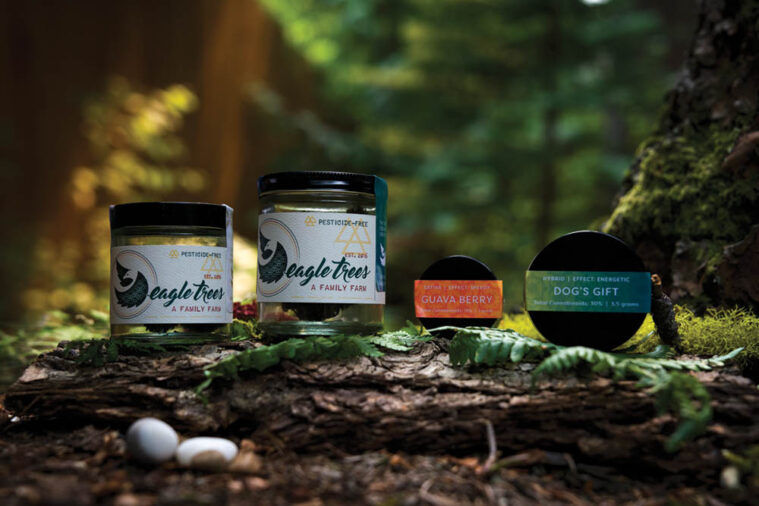
The low cost per gram is a statewide issue for Cannabis companies, and for Eagle Trees, it is compounded by a Liquor and Cannabis Board reinterpretation of canopy size. Effective the date of issuance, all walkways and areas between and around plants are part of the canopy. The new interpretation pushes the formerly LCB-approved farm into noncompliance. Unable to both shrink and stay in business, the siblings sit in the unknown.
As the breeding program celebrates a year of resiliency, both farmers shared that this could be the end. Amid the unknown of what may come, the founders platformed Banana Cherry Lion, the plant that survived. Whether manifesting for the next planting season or simply celebrating another year, for now, the focus is on the harvest.