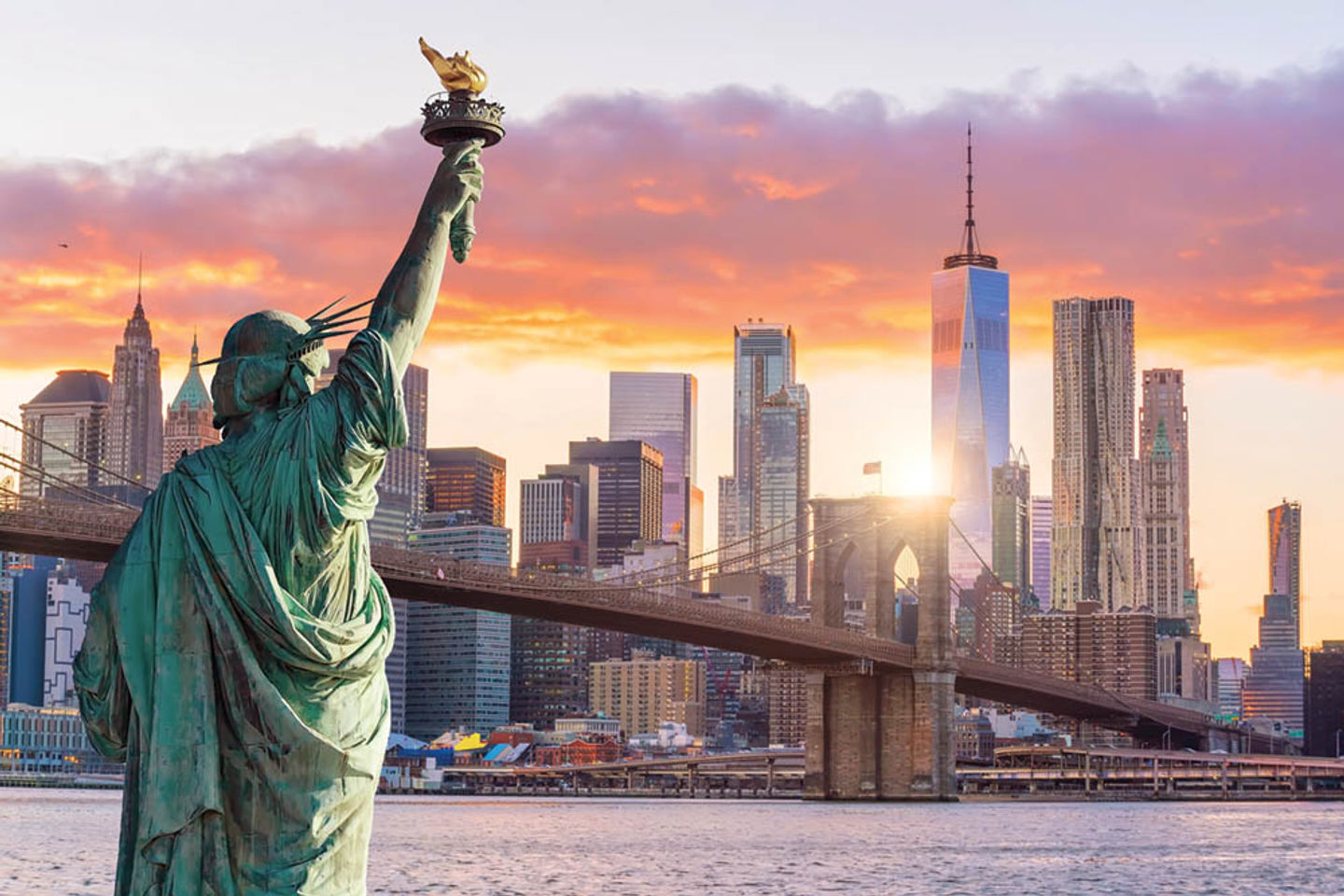
New York Cannabis legalization recently turned 5, marking half a decade of triumphs and challenges for the adult-use industry that was signed into law by then-Governor Andrew Cuomo in April 2021.
So far, the market has generated $3.3 billion in retail sales across 600 licensed stores, and over 400,000 Cannabis-related convictions have been made eligible for expungement, according to a press release from Governor Kathy Hochul. Due to the state’s prioritization of those with Cannabis convictions, over half of licensees are social and economic equity (SEE) applicants.
“This is history,” TerpBros dispensary owner Jeremy Rivera wrote to the Leaf. “And being part of that history is what I’m most proud of. After spending years in prison, gang life, the grind of the streets, to be where I am at now makes me proud.”
Happy Munkey, owned by CEO Vlad Bautista, was the first licensed dispensary to open in a neighborhood heavily impacted by the war on drugs.
“To go from a community that was over-policed around Cannabis to now having a legal, licensed operation serving that same neighborhood the right way — that means something,” Bautista wrote in a message to the Leaf.
Regulators are now tasked with framing an environment where these businesses can thrive. While gratitude for an immediate focus on social equity is palpable, first-wave licensees didn’t have it easy. They navigated supply chain issues, limited product options and real-time regulatory changes as the industry took form.
Right now, high taxes, heavy regulation and ongoing competition from the traditional market burden microbusinesses, SEE licensees and small operators.
Beck Rourke, vice president of sales and operations for one of the first licensed Cannabis farms, Supernaturals New York, cherishes the hardworking, collaborative community of small operators.
“We’re aware that national brands have more resources to come in and replicate the market that exists in other states, so we want to share survival strategies as much as possible with each other. The industry is full of some of the smartest, most resilient and hardworking people I’ve ever met,” Rourke said.
The greatest barrier right now? That’s access to capital. There are licensees with business plans drawn that lack the traditional funding to make them a reality. While federal rescheduling may eventually ease this, Cannabis loans with viable terms are currently hard to come by.
Acting Executive Director of the Office of Cannabis Management John Kagia acknowledged these issues in an interview with the Leaf. He plans to focus on engaging operators, re-examining rules and improving regulatory oversight and efficiency during his tenure.
“We are committed to being a learning organism,” Kagia shared. “We certainly want to ensure that the market we have built and the structures we have built allow these businesses to flourish.”
The office has already held roundtable discussions with stakeholders, intending to gain insight into regulations that need attention. As the first dispensary to open, Housing Works Cannabis Co. has feedback. Sasha Nutgent, vice president of Cannabis retail, mostly hopes newcomers will have a smoother entry than HWCC.
“Operators have been dealing with delays, shifting rules and bottlenecks across the industry,” Nutgent said to the Leaf. “While things have improved, and we’re excited to see what work John Kagia is able to do, making expectations clearer and having more consistent communication would immediately help businesses operate more confidently.”
New York has had ups and downs since ending Cannabis prohibition, as is expected. Going forward, it is clear that everyone, from licensees to those regulating them, is prepared to collaborate toward a bright future.
“It’s not perfect, but it’s meaningful progress,” Bautista said. “For me, that’s what legalization was supposed to look like — not just access, but opportunity. New York is still building, but the foundation is being laid for a more inclusive industry, and that’s something to be proud of.”