Hands roll joints, tell stories, shape lives and, in the case of Slim and Lulu, their hands have touched every single plant and animal on their farm.
When we use terms like handmade, we imagine a couple like these two, working passionately together, the strength of their love adding to the value of the goods they produce. Indeed, the world is lucky these two chose hash and not a different artisanal craft, because theirs is a gift that can be rolled up, smoked and shared.
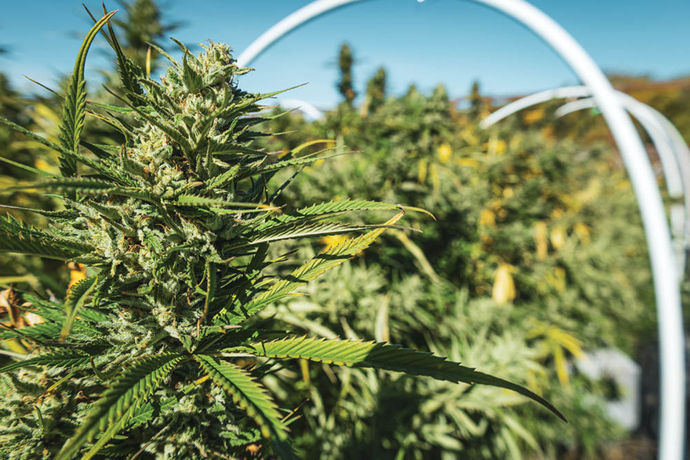
“We grow trichomes, not a houseplant,” Slim said, laughing in his singsong French-tinged accent. “You want the puff that makes you lose your mind for a minute, and then be ok — that’s good.”
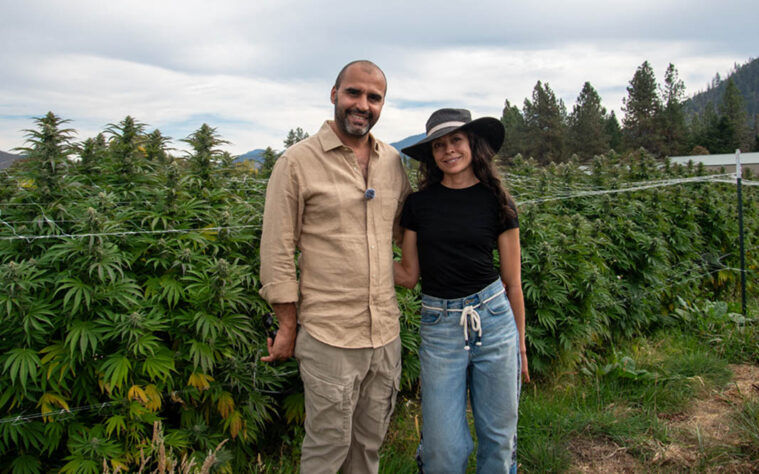
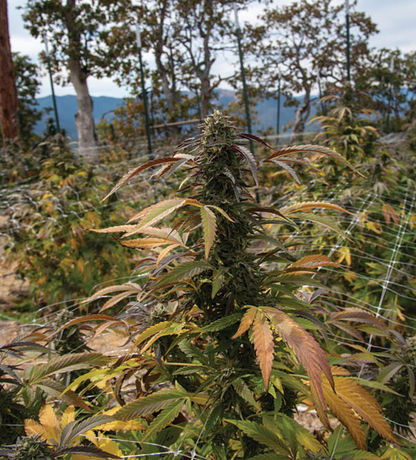
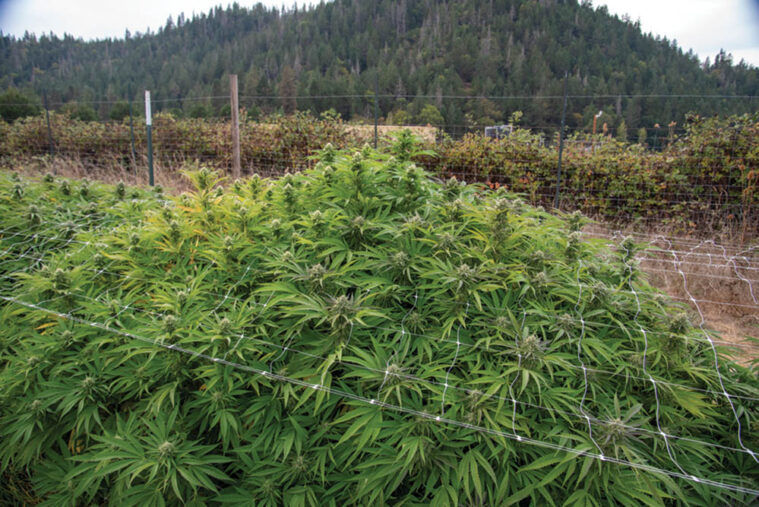
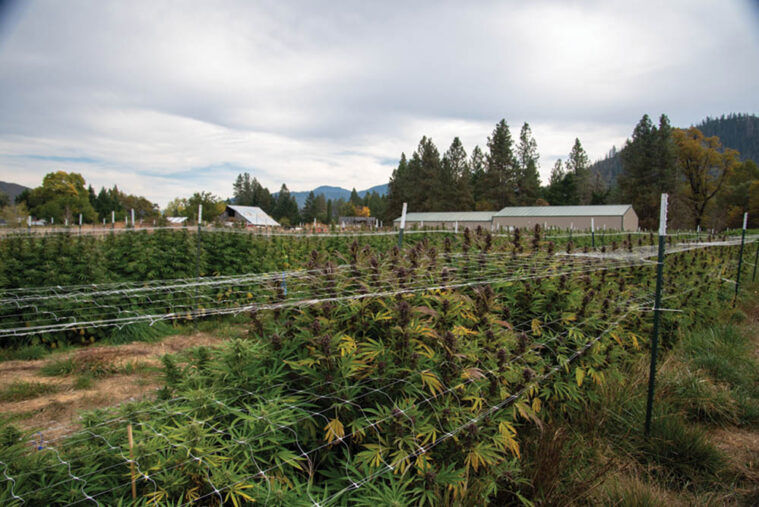
Walking around the farm, handprints are everywhere, from the rows of hand-watered and hand-planted strains, to each building and even the little handmade bar for cheladas after work; all are a “secret to and a way of good life,” according to Slim. Only four hands have touched everything on this property, and as we smoke a hand-rolled joint amongst chickens, dogs and the sound of running water, the outside world melts away, and a fairy-tale-meets-weed garden vibe takes hold.
“We chose to do quality everything, and we said, let’s not do flower, let’s do hash. I was born in France, but my culture is North African, and I grew up from the age of 11 smoking Amsterdam hash. When I moved here, I was missing it,” said Slim. “Oregon has pushed the level with the best rosin, the best resin, but traditional hash was missing. The old timers know what I’m talking about — bubble hash that’s then pressed and aged.”
Aging and curing hash isn’t just a science meeting an art; it’s also a major part of what makes the hash taste right.
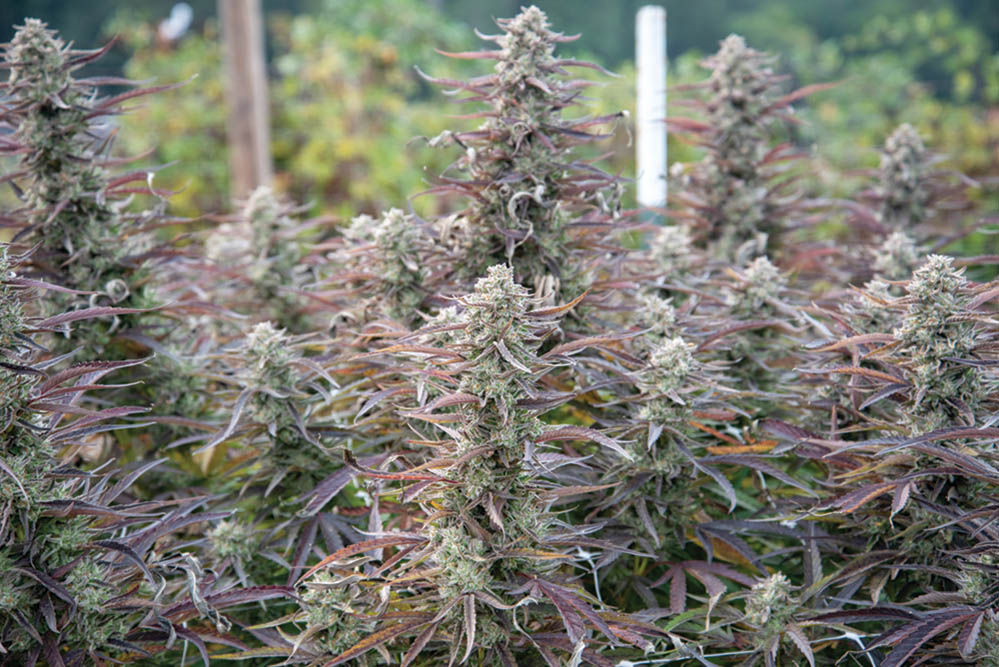
“We call it a transformation of the terpenes. The terpenes are reorganizing and creating a different compound altogether. Which the scientific community has called the hashishene,” Slim said, referring to a rare monoterpene that is not found on the plant when grown. It only occurs when the terpene myrcene is aged and undergoes a chemical transformation into hashishene, which delivers the distinctly hashy-earthy-spicy-clove-like aroma and adds to the entourage effect of the hash itself. “I have the nose for this because hash is all I know, and since I was born out of that, we are growing fresh frozen to hash, and we want to elevate the game,” he added.
Looking around the property, which features a fresh, running stream, coops for chickens and meat rabbits, fruit trees and a homestead, delivers a glimpse of a traditional life, which is fitting for traditional hash makers. Everything that needs to be grown, cooked, fixed or built has been done by these two, who are from different parts of the world but met in the city of New York, fell in love and ended up in beautiful Southern Oregon.
“We are a small army,” Lulu said. “But we’re strong. It’s in my DNA.”
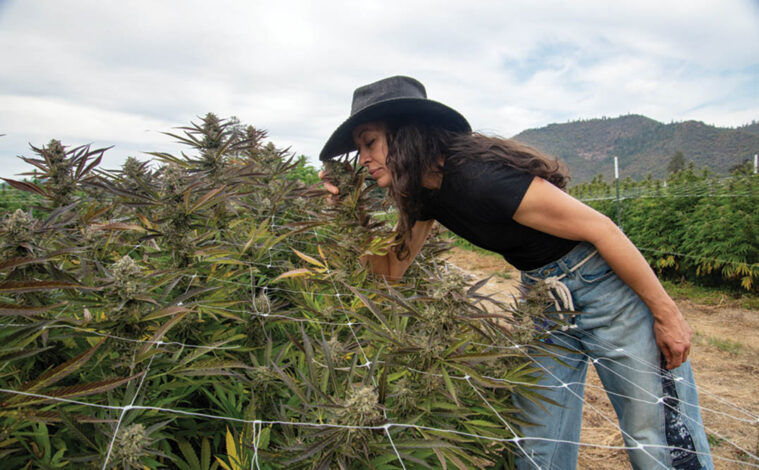
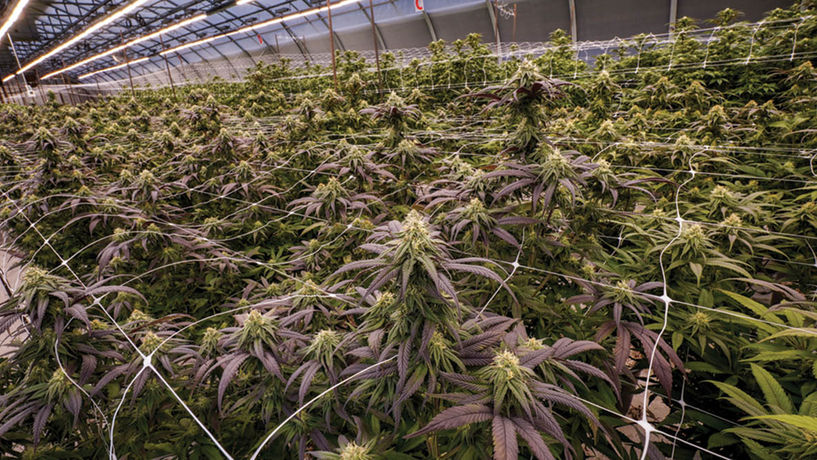
No strangers to hard work, the two harvest the same way they plant, together in the field, cutting down and hanging each plant with care. They dry the flower, cure it, then wash it into bubble hash, which gets washed in 10-pound batches that take four hours at a time. It’s this small-batch, craft focus that makes the hash so delicious and potent.
“On some farms, you have workers doing all the work and the owners never come and see what’s going on,” Lulu said, turning to Slim. He added, “Owner means worker to us. We built everything ourselves. And we love being farmers. You know what’s good? 10 years later, you look around the property, and it’s just good memories. To remember that we did this is amazing.”
Inside the hash-lab building that the two built themselves is a giant industrial chiller to start the water at 34 degrees, five-stage reverse osmosis filtering and a UV-light filter to ensure no microbial contamination. Then, Slim adds ice and 10 pounds of weed, he climbs up and he starts rolling the mixture with his paddle. He paddles for roughly 20 minutes, three times, plus a pre-paddle soak. But it’s never an exact science or amount of time, more of an art that he feels by watching the water, looking for foam and sensing when all the trichomes have been washed from the flower. Once extracted, dehydrated and pressed, each batch is cured for months at a time, cared for and tested by smoking until it has aged to perfection.
“That’s the touch of the hash maker,” Slim said with a chuckle. “Luckily, I love smoking traditional hashish. And I think Oregon is the best, the very best place in the world to grow Cannabis. I want Oregon to give the best hash, because the hash-maker capital used to be Amsterdam, it used to be Spain, and I think it’s moving here. If we want, we can become the mecca of the hash here.”
Far from being scared of others making hash, Slim and Lulu want more attention and more hands washing buds each year, so that the culture and heritage of hashish continues into the future of Cannabis.
“The more people who are exposed to hash, the more people will smoke it and try it,” Lulu said excitedly. “We have to educate people!”